Massage guns, compression, PEMF mats, hydrogen water and grounding, sorted from plausible to unproven.
Overall evidence: Weak17 products · 16 key studiesReviewed October 7, 2026Researched with AI assistance · Not reviewed by a clinician · Our method
The verdict
What we know about recovery & emerging tools
Recovery gear ranges from tools with reasonable short-term evidence to products whose health claims far outrun the research. This guide sorts them honestly, flags the categories with weak or no good evidence, and shows prices so you can decide what, if anything, is worth it.
Bottom line · Weak
Among recovery tools, compression garments and hands-on massage have the most consistent support, though the benefits for soreness and perceived fatigue are small. Massage guns and pneumatic compression boots show small or inconsistent effects in mostly short, small studies; consumer PEMF mats, hydrogen water and grounding products rest on weak or indirect evidence; and whole-body cryotherapy has not been shown to work while carrying real risks.
Compression garmentsModerate
A 2017 meta-analysis of 23 studies found a small overall benefit for recovering strength, power and endurance (effect size 0.38), with the largest gains for strength recovery after resistance exercise; the amount of pressure did not clearly change the effect. A broader 2018 meta-analysis also found compression reduced soreness and perceived fatigue.
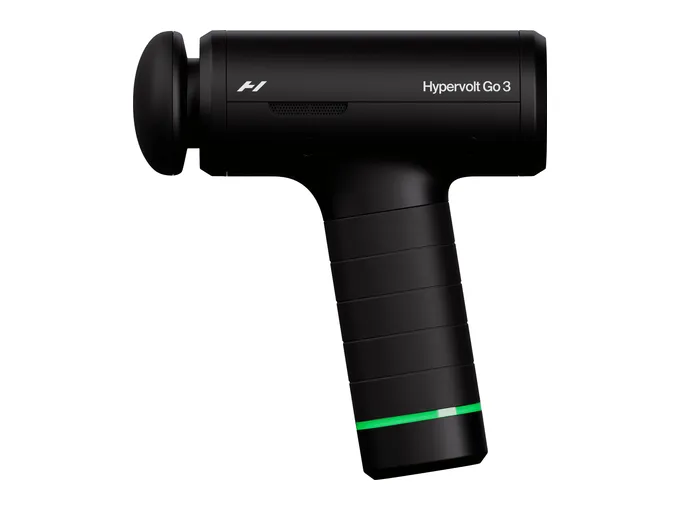
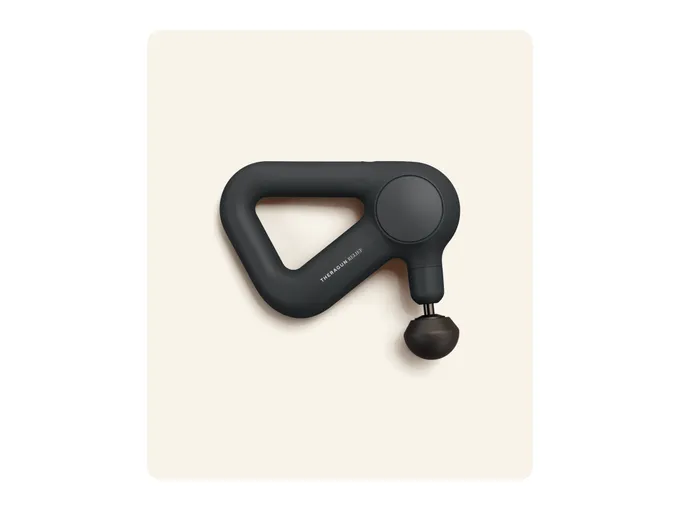
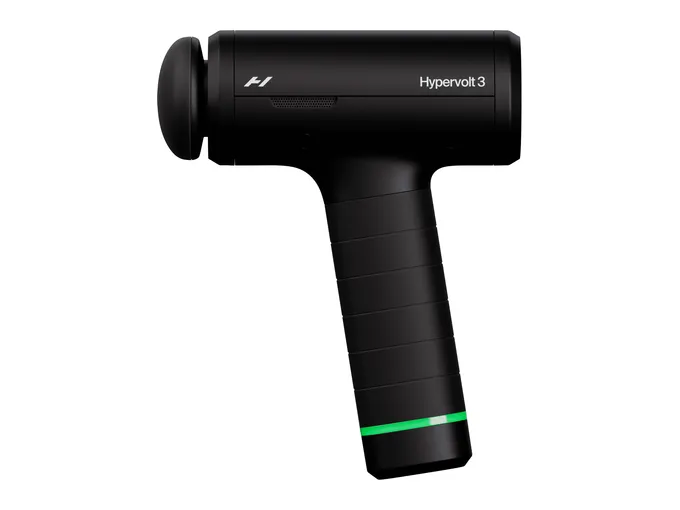
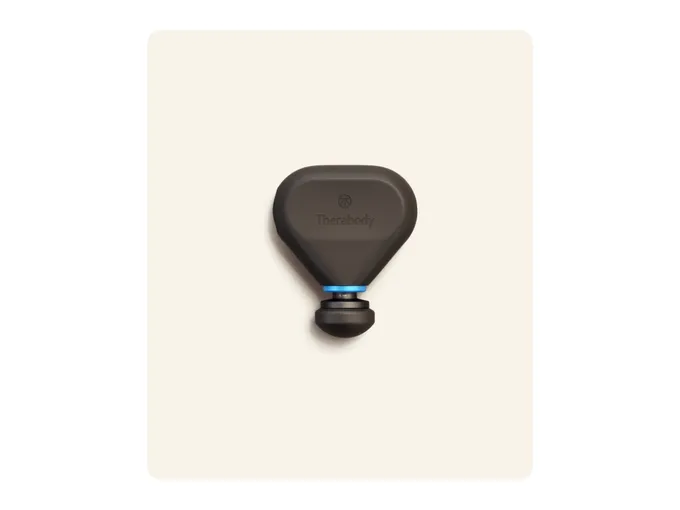
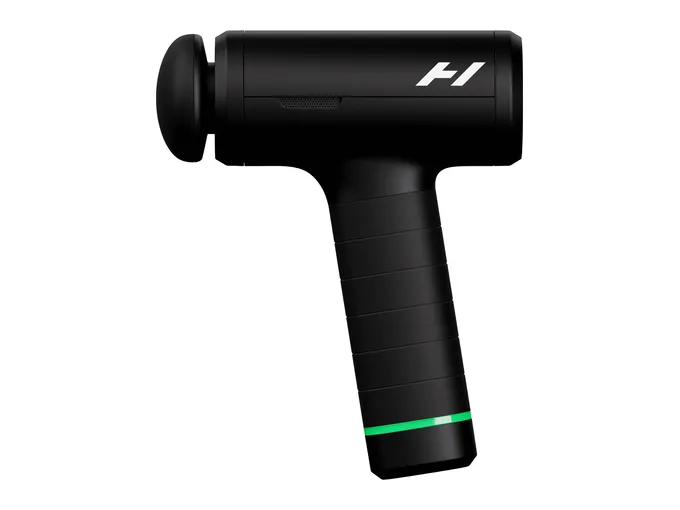
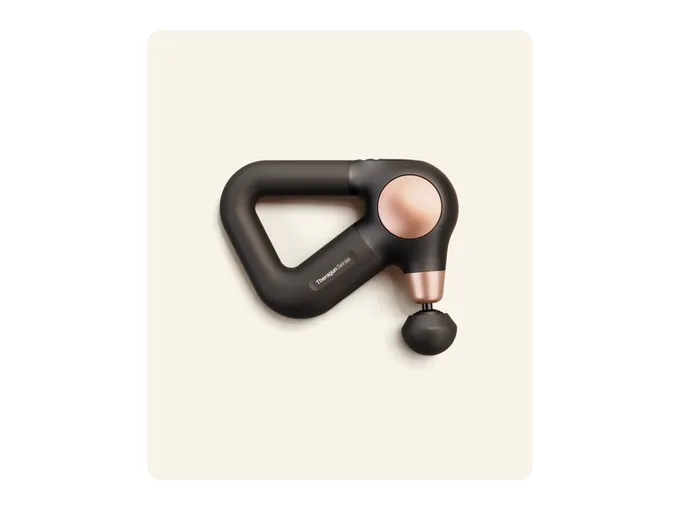
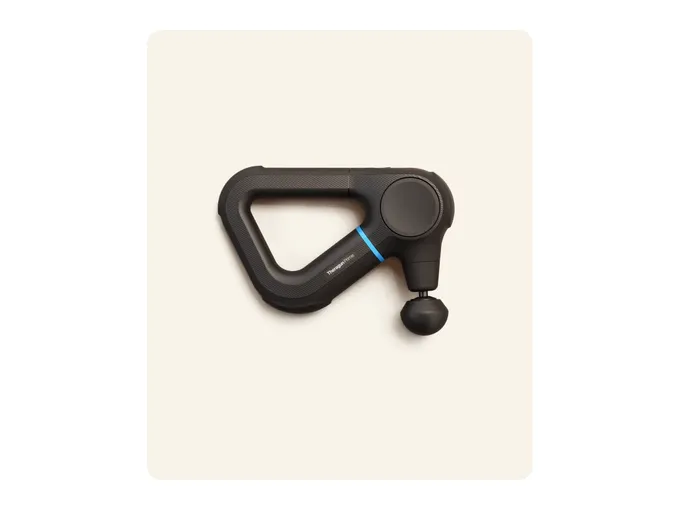
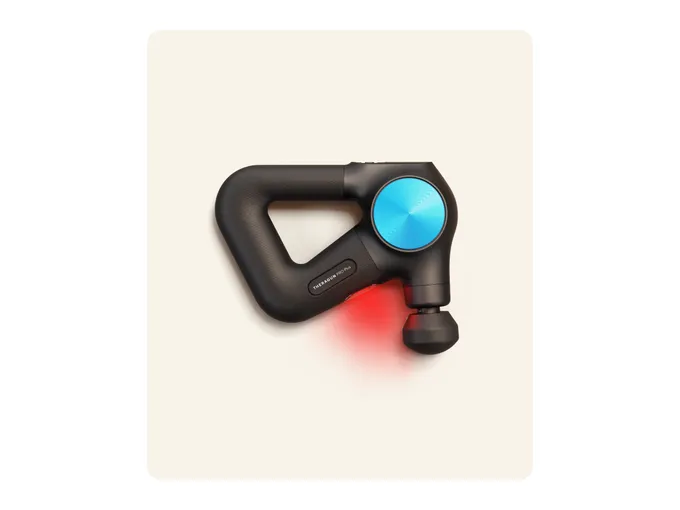
Massage guns (percussive therapy)Early
Hands-on massage was the most effective recovery method for soreness and perceived fatigue in a 2018 meta-analysis of 99 studies, but massage guns are less proven. A 2023 review of 11 studies found short-term gains in flexibility and range of motion but no benefit, or even worse results, for strength, balance and explosive tasks, and a 65-person trial found no recovery benefit from 5 minutes of use after calf exercise.
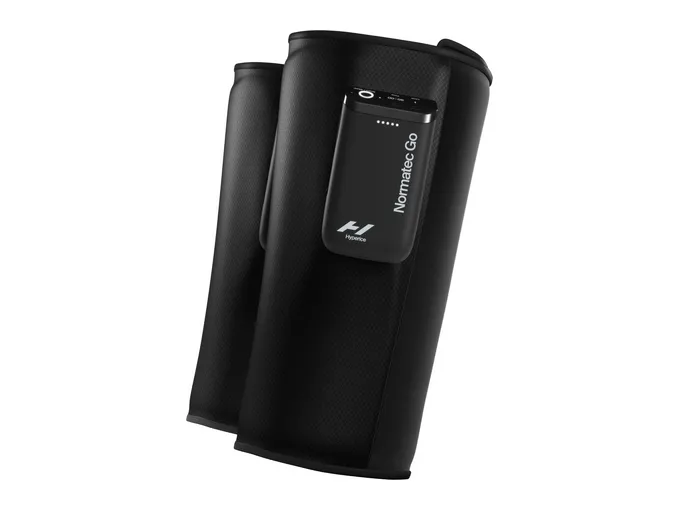
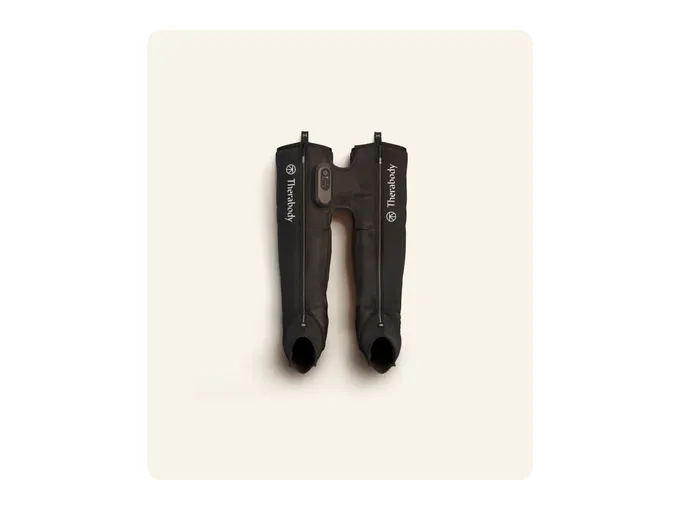
Pneumatic compression bootsEarly
A 2024 meta-analysis of 17 studies (319 participants) found trivial-to-small benefits for muscle function and trivial-to-moderate effects on pain and soreness, with highly variable effects on muscle-damage markers. A crossover trial in 21 trained cyclists found no performance benefit.
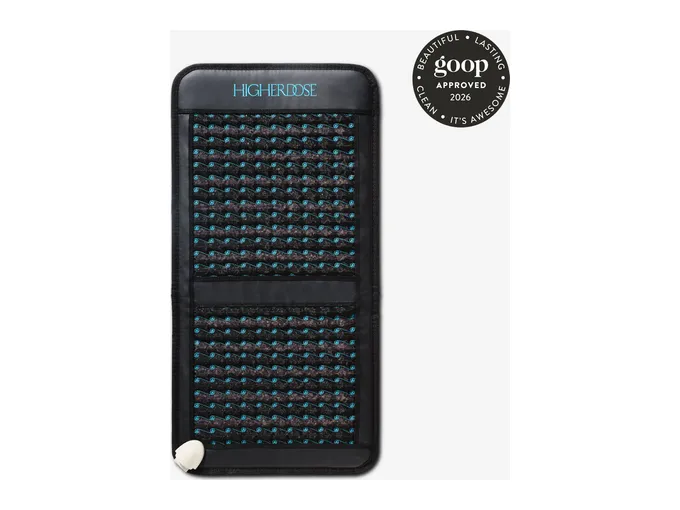
PEMF matsWeak
Controlled evidence for pulsed electromagnetic fields comes from clinical devices in patients, not consumer mats. A Cochrane review found modest pain relief in osteoarthritis without clear gains in function, a 2026 knee-osteoarthritis meta-analysis was mixed, and a Cochrane review for fracture non-union was inconclusive. FDA's PEMF-related device categories are prescription devices for bone healing or postoperative pain and swelling.
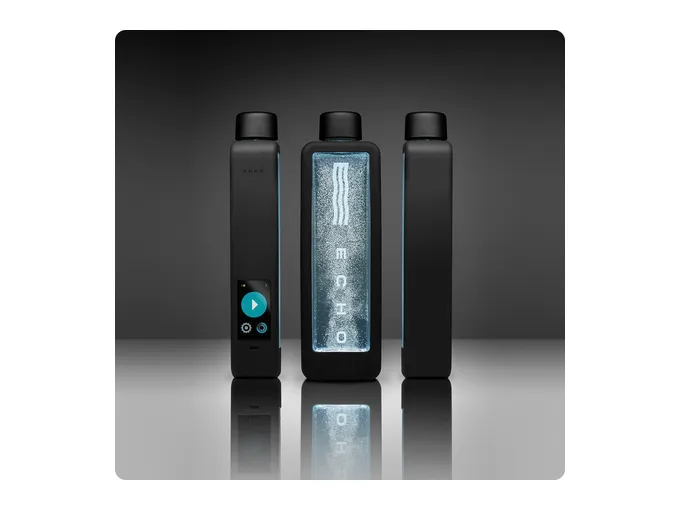
Hydrogen waterWeak
A 2024 meta-analysis of 27 publications (597 participants) on molecular hydrogen supplementation found no meaningful effect on aerobic or anaerobic endurance or strength, with small effects on leg power, perceived exertion and blood lactate.
Grounding (earthing)Weak
The evidence consists of small studies, such as a 16-person trial with self-reported outcomes, and a widely cited review whose authors disclosed being contractors for, and shareholders in, the company sponsoring earthing research.
Whole-body cryotherapyWeak
A Cochrane review found insufficient evidence that whole-body cryotherapy reduces muscle soreness (four small trials, 64 mostly male participants, very low-quality evidence). FDA has said no whole-body cryotherapy device has been cleared or approved for the conditions it is promoted for and flagged risks including asphyxiation, frostbite, burns and eye injury. Separately, regular cold-water immersion after strength training blunted muscle and strength gains in a 12-week trial.
Evidence
What the research shows
Moderate
Massage was the most effective recovery method for reducing soreness and perceived fatigue; compression garments, water immersion and cryotherapy also reduced soreness.1Pooled 99 studies of varied designs and quality; effects ranged from small to large.
Moderate
Compression garments modestly improve recovery of strength and performance, especially after resistance exercise.2Overall benefit was small, and effects by pressure level and training status were unclear because few studies reported them.
Early
Massage guns may briefly improve flexibility and range of motion but have not improved strength, power or agility.311 studies, most at moderate risk of bias, with short-term outcomes.
Early
Five minutes of massage-gun use after hard calf exercise did not speed recovery and slightly increased soreness for a few hours.4One short protocol on one muscle group in young, active adults.
Early
Pneumatic compression boots offer at most small recovery benefits, mainly for perceived soreness.56Small studies (319 participants across 17 studies) with varied protocols; one crossover trial in trained cyclists found no performance benefit.
Weak
Evidence for PEMF comes from clinical devices in patients (osteoarthritis, fracture non-union) with modest or inconsistent results; our searches found no rigorous trials of consumer PEMF mats for exercise recovery.789Results from clinical devices in patient groups may not apply to consumer mats or healthy users.
Weak
Molecular hydrogen supplementation, such as hydrogen-rich water, has not improved endurance or strength; small effects on perceived exertion and blood lactate have been reported.10Small trials with varied doses, forms and protocols.
Weak
Grounding (earthing) claims rest on small studies, and a widely cited review was written by authors with financial ties to a company sponsoring earthing research.1112The 16-person trial relied on self-reported outcomes; larger independent trials are lacking.
Weak
Whole-body cryotherapy has not been shown to reduce post-exercise soreness.13Only four small, high-risk-of-bias trials (64 participants, all but four male); none actively monitored adverse events.
Early
Regular cold-water immersion after strength training can blunt gains in muscle size and strength.14One 12-week trial in 21 active men plus a 9-person mechanistic study; it tested cold water, not cryotherapy chambers.
Early
Massage guns have been linked to rare serious injuries in case reports.1516Case reports cannot show how common such events are or prove that the device caused them.
Key studies
The studies behind the ratings
Summaries are our own, from each study's published abstract. Follow the links for the full details.
Systematic review with meta-analysis · 2018
An Evidence-Based Approach for Choosing Post-exercise Recovery Techniques to Reduce Markers of Muscle Damage, Soreness, Fatigue, and Inflammation: A Systematic Review With Meta-Analysis
Who:
99 randomized, crossover and repeated-measures studies
What:
Post-exercise recovery techniques including active recovery, massage, compression garments, water immersion, contrast water therapy, cryotherapy, stretching and electrostimulation
Found:
Active recovery, massage, compression garments, immersion, contrast water therapy and cryotherapy produced small-to-large reductions in delayed-onset muscle soreness (g from −2.26 to −0.40); massage was most effective for soreness and perceived fatigue. Overall, creatine kinase fell moderately (SMD −0.37) and IL-6 and CRP fell slightly (−0.36 and −0.38).
Limits:
Heterogeneous studies and protocols; many small trials.
Compression Garments and Recovery from Exercise: A Meta-Analysis
Who:
23 peer-reviewed studies in healthy participants
What:
Compression garments after resistance, running or non-load-bearing endurance exercise
Found:
Small overall benefit for recovery of strength, power and endurance (effect size 0.38); strength recovery benefited most (0.62), with large effects at 2–8 hours (1.14) and beyond 24 hours (1.03); effects were not significantly influenced by pressure (p = 0.06) or training status.
Limits:
Few studies reported garment pressures; mostly small studies.
The Effects of Massage Guns on Performance and Recovery: A Systematic Review
Who:
11 randomized and non-randomized studies in healthy and unhealthy individuals
What:
Massage guns before activity, after activity or as part of treatment
Found:
Massage guns improved flexibility of several muscle groups and, after a fatigue protocol, reduced stiffness and improved range of motion and strength; they did not improve, and sometimes decreased, strength, balance, acceleration, agility and explosive performance, with no differences in lactate or perceived exertion.
Limits:
Ten studies at moderate and one at high risk of bias; short-term outcomes.
Controlled laboratory study (one leg treated, other leg as control) · 2024
Under the Gun: Percussive Massage Therapy and Physical and Perceptual Recovery in Active Adults
Who:
65 active young adults aged 18–30 (34 women, 31 men)
What:
5 minutes of massage gun on one calf immediately after strenuous lower-body exercise
Found:
No significant effects on ankle range of motion, calf circumference, strength, endurance or perceived soreness; soreness was slightly higher in the treated leg immediately (d = −0.35) and 4 hours (d = −0.48) after use.
Limits:
Single short protocol on one muscle group; participants could not be blinded.
Rhabdomyolysis After the Use of Percussion Massage Gun: A Case Report
Who:
A young woman with untreated iron-deficiency anemia
What:
Percussion massage gun applied to the thighs by her coach after cycling
Found:
Developed severe rhabdomyolysis (muscle breakdown) with extremely high creatine kinase and dark urine; she recovered after hospital treatment with intravenous fluids.
Limits:
Single case; underlying anemia and preceding exercise may have contributed.
Trivial-to-small benefit for muscular function, trivial-to-moderate effects on pain and soreness, and highly variable effects on muscle-damage markers; the most common protocols were about 20–30 minutes at about 80 mmHg.
Limits:
Small studies rated fair to good quality, with varied protocols.
Pneumatic Compression Fails to Improve Performance Recovery in Trained Cyclists
Who:
21 trained cyclists (13 men, 8 women)
What:
30 minutes of sequential pneumatic compression boots vs. passive recovery between two cycling efforts
Found:
No significant difference in 4-minute time-trial power (trivial effect, d = −0.08); unclear effect on blood lactate clearance; small, non-significant improvement in perceived recovery.
Limits:
Single short session; performance tested only 30 minutes later.
Cochrane systematic review and meta-analysis of randomized trials · 2013
Electromagnetic fields for treating osteoarthritis
Who:
9 trials, 636 people with osteoarthritis
What:
Electromagnetic field therapy for 4 weeks or more vs. placebo
Found:
Pain relief was 15.10 points better on a 0–100 scale (absolute improvement 15%) after 4–26 weeks; no significant effect on physical function or quality of life; adverse events similar to placebo.
Limits:
Clinical devices in people with osteoarthritis; selective outcome reporting unclear in all trials.
Pulsed Electromagnetic Field Therapy in People with Knee Osteoarthritis: A Systematic Review and Meta-Analysis
Who:
9 randomized trials (2015–2025), 457 people with knee osteoarthritis
What:
Pulsed electromagnetic field therapy
Found:
No significant improvement in pain (VAS) or total WOMAC scores at one month; some subscale gains at specific time points (WOMAC pain at 18–21 days; stiffness and daily activity at one month) that may not reach clinically meaningful thresholds; objective function did not improve.
Limits:
High overall risk of bias; heterogeneous device settings.
Cochrane systematic review of randomized controlled trials · 2011
Electromagnetic field stimulation for treating delayed union or non-union of long bone fractures in adults
Who:
4 trials, 125 adults with delayed union or non-union of long-bone fractures
What:
Electromagnetic field stimulation (three trials of pulsed electromagnetic fields, one of capacitive coupled electric fields) vs. placebo
Found:
Fracture union did not differ significantly (risk ratio 1.96; 95% CI 0.86 to 4.48); two trials found no pain reduction; the evidence was judged inconclusive.
Can molecular hydrogen supplementation enhance physical performance in healthy adults? A systematic review and meta-analysis
Who:
27 publications, 597 healthy adults
What:
Molecular hydrogen (H2) supplementation
Found:
No significant effect on VO2max (SMD 0.09), aerobic endurance (0.04), 30-second anaerobic endurance (0.19) or muscular strength (0.19); a small significant effect on lower-limb explosive power (0.30); lower perceived exertion (−0.37) and blood lactate (−0.37) during exercise.
The Effects of Grounding (Earthing) on Bodyworkers' Pain and Overall Quality of Life: A Randomized Controlled Trial
Who:
16 massage therapists
What:
Grounding while working and sleeping for 4 weeks
Found:
Self-reported pain, fatigue, depressed mood and tiredness decreased and physical function and energy increased while grounded compared with not grounded.
Limits:
Very small; self-reported outcomes; single wellness-center setting.
Cochrane systematic review of randomized trials · 2015
Whole-body cryotherapy (extreme cold air exposure) for preventing and treating muscle soreness after exercise in adults
Who:
4 laboratory trials, 64 physically active, mostly young adults (all but 4 male)
What:
Whole-body cryotherapy (extremely cold air below −100 °C for 2–4 minutes) vs. rest or no treatment
Found:
Very low-quality evidence of lower soreness at 1 hour (SMD −0.77); at 24, 48 and 72 hours the confidence intervals included no difference; no trial actively monitored adverse events.
Limits:
High risk of bias; no data in women or elite athletes; published in 2015.
Randomized controlled trial plus mechanistic study · 2015
Post-exercise cold water immersion attenuates acute anabolic signalling and long-term adaptations in muscle to strength training
Who:
21 physically active men (12-week training study) and 9 active men (muscle biopsy study)
What:
10 minutes of cold-water immersion vs. active recovery after each strength-training session
Found:
Strength and muscle mass increased more with active recovery than with cold-water immersion; type II muscle fiber size (17%) and myonuclei per fiber (26%) increased only with active recovery, and cold water blunted markers of muscle-growth signaling.
Limits:
Small, men only; tested cold-water immersion rather than cryotherapy chambers.
Whole-body cryotherapy carries risks including asphyxiation (especially when liquid nitrogen is used in enclosed spaces), frostbite, burns and eye injury; the Cochrane review found no trial that actively monitored adverse events.1317
Massage guns have been linked in case reports to severe rhabdomyolysis and to vertebral artery dissection after repeated use; the authors urged caution, particularly around the neck and in people with underlying medical conditions.1516
Using a massage gun right after strenuous exercise slightly increased soreness for up to 4 hours in one trial.4
Required labeling for FDA-regulated bone-growth stimulators (including magnetic-field devices) must warn about use on compromised skin, implanted medical devices, burns, electrical shock and skin irritation; people with implanted devices may want to check with a clinician before using electromagnetic products.18
Routinely taking cold-water baths after strength training may reduce muscle and strength gains.14
This is general information, not medical advice. If you have a heart condition, are pregnant, take medication or have any health concern, ask a clinician first.
Buying guide
Specs that actually matter
Compression garments: correct size and comfortable fit
Benefits appeared across pressure levels (pressure did not significantly change the effect, though data were limited), so a garment you will actually wear matters more than a high pressure rating.2
Massage gun: adjustable speed and intensity
Benefits shown so far are mainly short-term flexibility, and protocols in studies varied; adjustable settings help match use to comfort.
Massage gun: manufacturer warnings about neck use
A case report linked repeated massage-gun use to vertebral artery dissection.16
Compression boots: pressure range and session timer
Studies most often used about 20–30 minutes at about 80 mmHg, and measured benefits were trivial to small.5
PEMF devices: FDA status and exact indication
FDA's PEMF-related categories are prescription devices for bone healing or postoperative pain and swelling; wellness marketing for a consumer mat is not evidence that it aids recovery.19
Hydrogen water: performance claims
A 2024 meta-analysis found no benefit for endurance or strength.10
Grounding mats and sheets: health claims
Evidence is limited to small studies, and a widely cited review was written by authors with financial ties to an earthing company.11
Cryotherapy sessions: risks vs. unproven benefits
FDA flagged risks of asphyxiation, frostbite, burns and eye injury and said no WBC device had been cleared or approved for the conditions promoted.17
Compare prices
Recovery & emerging tools: current prices
How we make money: some shop links are affiliate links, so ThriveRadar may earn a commission if you buy, at no extra cost to you. It never changes our evidence ratings. Prices are checked daily, not live; confirm the final price at the shop. Learn more.
Long-form interviews and explainers from researchers and clinicians. Their views are their own; check claims against the studies above.
Cold-Water Immersion and Cryotherapy: Neuroendocrine and Fat Browning Effects
FoundMyFitness
Short explainer on the acute responses to cold-water immersion and whole-body cryotherapy, including the norepinephrine surge, shivering types and brown-fat activation.
Cold therapy: pros, cons, and its impact on longevity [AMA 47 sneak peek]
Peter Attia MD
AMA preview in which Peter Attia reviews studies on cold-water immersion, cryotherapy and cold showers, weighing effects on muscle soreness against possible downsides and the longevity case.
Enhance Your Physical & Mental Resilience (HRV, Respiratory Rate, RHR)
Andy Galpin
Andy Galpin explains how to interpret HRV, respiratory rate and resting heart rate from your own data and which interventions, from free to clinical-grade, can shift autonomic balance.
Dr. Andy Galpin: Maximize Recovery to Achieve Fitness & Performance Goals | Huberman Lab
Andrew Huberman
Exercise physiologist Andy Galpin explains soreness and fatigue mechanisms, how to spot overtraining, and where breathwork, heat, cold, movement and pressure-based tools fit into recovery.
Exercise scientist Jacob Goodin reviews the research on percussive (massage gun) therapy, adds an athletic trainer's view on clinical use, and covers which device features matter.
Do Massage Guns Actually Work? | Expert Physio Reviews the Evidence
Clinical Physio
A physiotherapist summarizes the trial evidence on massage guns for flexibility, performance and recovery, and flags published adverse-event reports such as rhabdomyolysis.
Rhonda Patrick explains cold shock as a hormetic stressor and compares whole-body cryotherapy with cold-water immersion for inflammation, metabolism and athletic recovery.
Andy Galpin explains why athletes often under-sleep and how sleep duration, quality and timing affect performance and injury recovery, including sleep extension and "sleep banking".
Andy Galpin shows how to investigate and interpret HRV, respiratory rate and resting heart rate data, and which interventions can improve autonomic resilience.
Australian Institute of Sport recovery physiologist Shona Halson discusses periodizing recovery and the evidence on cold-water immersion, contrast water therapy and other modalities.
Fascia educator Jill Miller and Andy Galpin discuss self-myofascial release with foam rollers, balls, massage and cupping, plus breathing techniques for mobility and pain.
Latest research
New studies and news
Collected automatically from PubMed, safety recalls and science news. Not yet reviewed by us; inclusion is not an endorsement.
They may briefly improve flexibility and range of motion, but a 2023 review found no benefit, and sometimes worse results, for strength, balance and explosive performance. In a 65-person trial, 5 minutes of use after hard calf exercise did not speed recovery and slightly increased soreness for a few hours. Hands-on massage has stronger evidence.134
Are pneumatic compression boots worth the money?
The evidence points to modest returns. A 2024 meta-analysis of 17 small studies found trivial-to-small benefits for muscle function and trivial-to-moderate effects on soreness, and a trial in trained cyclists found no performance benefit. Any benefit appears to be mostly in how recovered people feel.56
Do compression tights or socks help recovery?
Modestly. A 2017 meta-analysis of 23 studies found a small overall benefit, with larger effects on strength recovery after resistance training, and a broader meta-analysis found that compression reduced soreness and perceived fatigue.12
Is PEMF therapy FDA-approved?
Certain PEMF-type devices are regulated as prescription devices for specific uses, such as stimulating bone healing in nonunions or easing postoperative pain and swelling. That does not extend to consumer mats marketed for recovery or wellness, and our searches found no rigorous trials of such mats for exercise recovery. In clinical osteoarthritis trials, results ranged from modest pain relief to no clear benefit.781920
Does hydrogen water improve recovery or performance?
Not in any meaningful way so far. A 2024 meta-analysis of 27 publications found no effect on endurance or strength and only small effects on leg power, perceived exertion and blood lactate, in studies with varied doses and designs.10
Is grounding (earthing) backed by science?
Only weakly. The studies are small, such as a 16-person trial relying on self-reported outcomes, and a widely cited review was written by researchers who disclosed being contractors for, and shareholders in, the company sponsoring earthing research.1112
Is whole-body cryotherapy safe and effective?
Effectiveness is unproven: a Cochrane review of four small trials found insufficient evidence that it reduces soreness. FDA has warned of risks including asphyxiation, frostbite, burns and eye injury and said no device had been cleared or approved for the conditions it is promoted for.1317
Will cold plunges after lifting hurt my gains?
They might. In a 12-week trial in 21 active men, those who took 10-minute cold-water baths after strength sessions gained less strength and muscle than those who did active recovery. That study tested cold-water immersion, not cryotherapy chambers.14
Sources
References
In a 2016 consumer update, FDA said it found very little evidence about whole-body cryotherapy's safety or effectiveness, that no WBC device had been cleared or approved for the medical conditions being promoted, and that risks include asphyxiation, frostbite, burns and eye injury. The original fda.gov page returned 'not found' when checked on 2026-10-07; this link is an archived copy. 17
FDA classifies non-invasive bone growth stimulators, which use electrical, magnetic or ultrasonic fields, as prescription devices (product code LOF) for use as an adjunct to fracture fixation and spinal fusion or to treat established nonunions and failed fusions. 19
The regulation for non-invasive bone growth stimulators (21 CFR 890.5870, published April 16, 2026 at 91 FR 20362) places them in class II with special controls, including clinical data showing the device performs as intended and labeling warnings about compromised skin, implanted devices, burns, electrical shock and skin irritation. 18
Nonthermal shortwave therapy, which applies pulsed electromagnetic energy at radio frequencies, is a prescription class II device for adjunctive use in the palliative treatment of postoperative pain and edema of soft tissue (21 CFR 890.5290(b)). 20
FDA's product classification database lists shortwave diathermy for uses other than deep heating (product code ILX) as a class II 510(k) device under 21 CFR 890.5290. 21
Under FDA's General Wellness policy (revised January 2026), low-risk products intended only to maintain or encourage a general state of health are not regulated as medical devices, so wellness-only recovery claims are generally not reviewed by FDA. 22
An Evidence-Based Approach for Choosing Post-exercise Recovery Techniques to Reduce Markers of Muscle Damage, Soreness, Fatigue, and Inflammation: A Systematic Review With Meta-Analysis. Front Physiol 2018.PubMed 29755363
Compression Garments and Recovery from Exercise: A Meta-Analysis. Sports Med 2017.PubMed 28434152
The Effects of Massage Guns on Performance and Recovery: A Systematic Review. J Funct Morphol Kinesiol 2023.PubMed 37754971
Under the Gun: Percussive Massage Therapy and Physical and Perceptual Recovery in Active Adults. J Athl Train 2024.PubMed 37248364
Effects of lower-limb intermittent pneumatic compression on sports recovery: A systematic review and meta-analysis. Biol Sport 2024.PubMed 39416507
Pneumatic Compression Fails to Improve Performance Recovery in Trained Cyclists. Int J Sports Physiol Perform 2018.PubMed 28872381
Pulsed Electromagnetic Field Therapy in People with Knee Osteoarthritis: A Systematic Review and Meta-Analysis. Medicina (Kaunas) 2026.PubMed 42075549
Electromagnetic field stimulation for treating delayed union or non-union of long bone fractures in adults. Cochrane Database Syst Rev 2011.PubMed 21491410
Can molecular hydrogen supplementation enhance physical performance in healthy adults? A systematic review and meta-analysis. Front Nutr 2024.PubMed 38903627
Earthing: health implications of reconnecting the human body to the Earth's surface electrons. J Environ Public Health 2012.PubMed 22291721
The Effects of Grounding (Earthing) on Bodyworkers' Pain and Overall Quality of Life: A Randomized Controlled Trial. Explore (NY) 2019.PubMed 30448083
Whole-body cryotherapy (extreme cold air exposure) for preventing and treating muscle soreness after exercise in adults. Cochrane Database Syst Rev 2015.PubMed 26383887
Post-exercise cold water immersion attenuates acute anabolic signalling and long-term adaptations in muscle to strength training. J Physiol 2015.PubMed 26174323
Rhabdomyolysis After the Use of Percussion Massage Gun: A Case Report. Phys Ther 2021.PubMed 33156927
Case Report: Vertebral Artery Dissection After Use of Handheld Massage Gun. Clin Pract Cases Emerg Med 2022.PubMed 35701359
In a 2016 consumer update, FDA said it found very little evidence about whole-body cryotherapy's safety or effectiveness, that no WBC device had been cleared or approved for the medical conditions being promoted, and that risks include asphyxiation, frostbite, burns and eye injury. web.archive.org
The regulation for non-invasive bone growth stimulators (21 CFR 890.5870, published April 16, 2026 at 91 FR 20362) places them in class II with special controls, including clinical data showing the device performs as intended and labeling warnings about compromised skin, implanted devices, burns, electrical shock and skin irritation. ecfr.gov
FDA classifies non-invasive bone growth stimulators, which use electrical, magnetic or ultrasonic fields, as prescription devices (product code LOF) for use as an adjunct to fracture fixation and spinal fusion or to treat established nonunions and failed fusions. accessdata.fda.gov
Nonthermal shortwave therapy, which applies pulsed electromagnetic energy at radio frequencies, is a prescription class II device for adjunctive use in the palliative treatment of postoperative pain and edema of soft tissue (21 CFR 890.5290(b)). ecfr.gov
FDA's product classification database lists shortwave diathermy for uses other than deep heating (product code ILX) as a class II 510(k) device under 21 CFR 890.5290. accessdata.fda.gov
Under FDA's General Wellness policy (revised January 2026), low-risk products intended only to maintain or encourage a general state of health are not regulated as medical devices, so wellness-only recovery claims are generally not reviewed by FDA. fda.gov
The ThriveRadar Weekly
New research, recalls and price drops, once a week.
Plain-English summaries of new studies on heat, cold, light, sleep and more, plus notable price changes from the shops we track. No hype. Unsubscribe anytime.