Walking pads, standing desks and vibration plates: how much they really change your day.
Overall evidence: Moderate12 products · 20 key studiesReviewed October 7, 2026Researched with AI assistance · Not reviewed by a clinician · Our method
The verdict
What we know about walking pads, desks & movement
Sitting less and moving more is well supported for long-term health. Whether a particular gadget gets you there is a different question. Here is what trials of sit-stand desks, treadmill desks and vibration plates found, and what to look for if you buy one.
Bottom line · Moderate
Sitting less and moving more is sound advice, and sit-stand desks reliably cut sitting time by roughly an hour a day. But desks mostly swap sitting for standing, trials show small or inconsistent effects on blood pressure and pain, and walking pads add real movement without long-term trials to show what it adds up to. Vibration plates have mixed, mostly disappointing bone results, while a rowing machine is simply a good tool for well-proven aerobic exercise.
Sitting time and health (context)Moderate
Very large observational studies tie long daily sitting to earlier death, mostly in people who get little exercise; about an hour a day of moderate activity appeared to offset much of the risk.
Sit-stand desksModerate
Good evidence they cut sitting by roughly an hour or more per workday; little evidence that on their own they raise physical activity or improve blood pressure, pain or fitness.
Walking pads and treadmill desksEarly
They add light movement and raise calorie burn, and short studies show lower blood sugar and insulin during use, but long-term controlled trials are missing.
Standing all dayEarly
Observational data link long daily standing with vein and circulation problems; the evidence does not support swapping all-day sitting for all-day standing.
Vibration plates: bone densityWeak
Trials are mixed and mostly negative; the largest 12-month trial found no bone benefit, and an overview of reviews advised against using vibration to improve bone density in postmenopausal women.
Vibration plates: balance and fallsEarly
Pooled trials show a lower fall rate in older adults, but the share of people who fell did not drop significantly and fracture prevention is unproven.
Home rowing machinesModerate
Rowing is whole-body aerobic exercise, which guideline-level evidence strongly supports; rowing-machine-specific research is limited.
Evidence
What the research shows
Moderate
Sitting for many hours a day is linked with a higher risk of early death, mainly in people who are inactive.1Observational data from over 1 million adults. About 60-75 minutes a day of moderate activity appeared to eliminate the extra risk tied to sitting more than 8 hours a day (though not fully for heavy TV watching). This shows association, not proof that sitting itself causes harm.
Moderate
Sit-stand desks cut sitting time at work by roughly an hour or more a day.234Cochrane: about 100 fewer minutes per workday at up to 3 months and 57 fewer at 3-12 months (low-quality evidence). The SMArT Work trial, which added coaching and feedback, kept sitting 83 minutes per workday lower at 12 months. Effects beyond a year are largely unknown.
Weak
Sit-stand desks make people more physically active.4They mainly swap sitting for standing; a 2025 umbrella review found no significant increase in physical activity at any intensity.
Early
Cutting sitting time lowers blood pressure.56Results conflict: a 3-month trial in 271 desk workers cut sitting by about an hour a day with no blood-pressure change, while a 6-month trial in 283 older adults with obesity found systolic pressure 3.48 mmHg lower.
Weak
Standing desks relieve back or neck pain.7A 2019 Cochrane review found no significant reduction in musculoskeletal symptoms with sit-stand workstations (low-quality evidence), though some results leaned in a favourable direction.
Moderate
Walking or cycling desks burn more calories than sitting and can lower blood sugar and insulin during use.8Based on 22 mostly short-term studies with very high heterogeneity; no effect on blood pressure was found.
Early
Using a treadmill desk long term leads to weight loss.9Only an uncontrolled 1-year study of 36 employees: average loss 1.4 kg (2.3 kg in people with obesity), with no comparison group.
Early
Working at an active workstation does not reduce overall productivity.10Three studies of 12-52 weeks found no effect on productivity, but some single-session treadmill and cycling-desk studies saw performance dips; the studies were few and small.
Early
Standing for long stretches carries its own health risks.11In 83,013 UK Biobank adults, standing more than 2 hours a day was associated with higher risk of orthostatic circulatory disease, such as varicose veins, for every extra 30 minutes; standing was not linked with major cardiovascular disease. Observational.
Weak
Vibration plates increase bone density.121314The largest 12-month randomized trial (202 women) found no effect, a meta-analysis found no overall effect on bone density, and a 2024 overview of 15 reviews advised against using vibration to improve bone density in postmenopausal women, noting it might help maintain it.
Early
Vibration training reduces falls in older adults.14Four trials (746 people) showed a lower fall rate (rate ratio 0.67, moderate-quality evidence), but the share of people who fell did not drop significantly and fracture data are sparse.
Moderate
A rowing machine improves cardiorespiratory fitness.1516Rowing is aerobic exercise, which WHO guidelines strongly support, but rowing-specific trials are few; one 12-week trial of supervised rowing-machine intervals in heart patients raised peak oxygen uptake by 2.5 mL/kg/min.
Moderate
Taking more steps a day is linked with lower mortality (context for walking pads).17Observational; the benefit leveled off around 6,000-8,000 steps a day for adults 60 and older and 8,000-10,000 for younger adults. Steps taken on walking pads have not been studied separately.
Key studies
The studies behind the ratings
Summaries are our own, from each study's published abstract. Follow the links for the full details.
Harmonised meta-analysis of prospective cohort studies · 2016
Does physical activity attenuate, or even eliminate, the detrimental association of sitting time with mortality? A harmonised meta-analysis of data from more than 1 million men and women
Who:
16 cohort studies; 13 with sitting data on 1,005,791 adults followed 2-18.1 years (84,609 deaths)
What:
Daily sitting time and TV viewing, by physical-activity level
Found:
Compared with the most active people sitting under 4 h/day, mortality was 12-59% higher in the two least-active quartiles (up to HR 1.59, 95% CI 1.52-1.66, for the least active sitting over 8 h/day). Among the most active (over 35.5 MET-h/week, about 60-75 min/day of moderate activity), sitting over 8 h/day was not linked to higher mortality (HR 1.04, 0.99-1.10); TV for 5 h/day or more still carried higher risk in this group (HR 1.16, 1.05-1.28).
Limits:
Observational with self-reported sitting and activity; cannot prove cause.
Cochrane systematic review and meta-analysis · 2018
Workplace interventions for reducing sitting at work
Who:
34 studies, 3,397 participants, all from high-income countries
What:
Workplace interventions to reduce sitting: sit-stand desks, treadmill and cycling desks, policies, counselling, computer prompts
Found:
Sit-stand desks reduced workplace sitting by 100 min/workday at up to 3 months (95% CI -116 to -84; 10 studies; low-quality evidence) and by 57 min/day at 3-12 months (-99 to -15; 2 studies). Treadmill or cycling desks had unclear or inconsistent effects on sitting time. Short breaks every half hour cut sitting by 40 min/day vs two long breaks (1 study).
Limits:
Low to very low quality evidence; small studies; no data on desks beyond 12 months.
Effects of workplace interventions on sedentary behaviour and physical activity: an umbrella review with meta-analyses and narrative synthesis
Who:
36 systematic reviews and meta-analyses covering 214 primary studies of working adults
What:
Workplace interventions targeting sedentary behaviour or physical activity
Found:
Sit-to-stand workstations produced the largest cuts in sedentary time, up to 75 min/day (95% CI -109 to -41), but did not significantly increase physical activity at any intensity. Self-monitoring with psychosocial strategies added about 1,056 steps/day (371 to 1,740). No strategy consistently increased moderate-to-vigorous activity.
Limits:
High heterogeneity; possible publication bias for environmental interventions.
Effectiveness of the Stand More AT (SMArT) Work intervention: cluster randomised controlled trial
Who:
146 desk-based workers in 37 office clusters of an NHS trust in England
What:
Height-adjustable workstation plus seminar, sitting/standing targets, feedback and coaching (SMArT Work) vs usual practice
Found:
Occupational sitting fell vs control by 50.62 min/workday at 3 months, 64.40 at 6 months and 83.28 at 12 months (95% CI -116.57 to -49.98). The intervention group also reported better job performance, work engagement, occupational fatigue, presenteeism, daily anxiety and quality of life; sickness absence did not change.
Limits:
Desk plus coaching, so the desk's own effect can't be isolated; many outcomes self-reported; one employer.
Effects of Sedentary Behavior Reduction on Blood Pressure in Desk Workers: Results From the RESET-BP Randomized Clinical Trial
Who:
271 desk workers aged 18-65 with elevated blood pressure, not on medication (mean 129/83 mmHg)
What:
Coaching, a wrist-worn activity prompter and a sit-stand desk to replace sitting with standing and stepping, vs no-contact control
Found:
Sedentary time fell 1.15 h/day and standing rose 0.94 h/day vs control, but blood pressure did not improve: between-group differences were -0.22 mmHg systolic (P = 0.808) and 0.13 mmHg diastolic (P = 0.827), with ambulatory BP and arterial stiffness also unchanged.
Limits:
Three months; changes fell short of the 2-4 h/day goal and came mostly from standing at work.
Randomized clinical trial (6 months) vs attention control · 2024
Sitting Time Reduction and Blood Pressure in Older Adults: A Randomized Clinical Trial
Who:
283 adults aged 60-89 with obesity (BMI 30-50) and high sitting time; about half had hypertension
What:
Health coaching, sitting-reduction goals, a standing desk and a fitness tracker to prompt breaks
Found:
Sitting fell 31.85 min/day more than control at 6 months, and systolic BP was 3.48 mmHg lower (95% CI -6.68 to -0.28; P = .03). Six serious adverse events occurred in each arm, none study-related.
Limits:
One health-care system; modest change in sitting; specific older population.
Cochrane systematic review and meta-analysis · 2019
Workplace interventions for increasing standing or walking for decreasing musculoskeletal symptoms in sedentary workers
Who:
10 studies, 955 sedentary workers with musculoskeletal symptoms
What:
Sit-stand or treadmill workstations, activity trackers and multi-component programs
Found:
No significant short-term reduction in low-back symptom intensity with sit-stand workstations (SMD -0.35, 95% CI -0.80 to 0.10; low-quality evidence) or in upper-back symptoms; multi-component programs did not change the share reporting back or neck symptoms. One trial found less pain-related disability at medium term.
1-year prospective study without a control group · 2013
Treadmill desks: A 1-year prospective trial
Who:
36 employees with sedentary jobs (25 women; mean BMI 29)
What:
Traditional desk replaced with a treadmill desk for 1 year
Found:
Daily activity rose from 3,353 to 4,205 activity units at 12 months; sedentary time fell from 1,020 to 978 min/day; average weight loss was 1.4 +/- 3.3 kg (2.3 kg in people with obesity); work performance did not change, and group fat mass did not change significantly.
Effects of cycle and treadmill desks on energy expenditure and cardiometabolic parameters in sedentary workers: review and meta-analysis
Who:
22 parallel or crossover studies of sedentary workers
What:
Cycle and treadmill desks vs conventional seated work
Found:
Energy expenditure (SMD 3.84) and heart rate (SMD 1.68) rose, and blood glucose (SMD -0.54) and insulin (SMD -3.13) fell; there was no effect on blood pressure or other biochemical markers.
Limits:
Very high heterogeneity (I2 up to 95%); mostly short-term measurements.
The Impact of Active Workstations on Workplace Productivity and Performance: A Systematic Review
Who:
7 studies
What:
Active workstations (sit-stand, treadmill and cycling desks)
Found:
Sit-stand desks showed no detrimental effect on performance; some treadmill and cycling workstation studies identified possible decreases in performance, mostly in single sessions. Three studies of 12-52 weeks' use found no significant effect on workplace productivity.
Limits:
Few, often underpowered studies; most measured cognitive tests rather than real productivity.
Prospective cohort with accelerometers (UK Biobank) · 2024
Device-measured stationary behaviour and cardiovascular and orthostatic circulatory disease incidence
Who:
83,013 adults (mean age 61.3), followed 6.9 years
What:
Device-measured daily sitting, standing and total stationary time
Found:
Standing more than 2 h/day was associated with higher orthostatic circulatory disease risk (higher by an average HR of 0.11, 95% CI 0.05-0.18, per extra 30 min/day); standing was not associated with major cardiovascular disease. Sitting over 10 h/day was associated with higher risk of both.
Limits:
Observational; activity measured over one week; older UK volunteers.
National injury surveillance analysis (NEISS), 2007-2011 · 2014
Emergency department-reported injuries associated with mechanical home exercise equipment in the USA
Who:
US emergency department visits, all ages
What:
Mechanical home exercise equipment (treadmills, ellipticals, stationary bicycles)
Found:
An estimated 70,302 (95% CI 59,086-81,519) ED-treated injuries over 2007-2011, 66% attributed to treadmills. Children 4 and under mostly had lacerations (34%) or soft-tissue injuries (48%); adults often had sprains or strains (30%). People 65 and older had greater odds of admission, observation or transfer (OR 2.58, 1.45-4.60).
Limits:
Emergency-department cases only; equipment type taken from injury narratives.
12-month randomized controlled trial with 3 parallel groups · 2011
Effect of 12 months of whole-body vibration therapy on bone density and structure in postmenopausal women: a randomized trial
Who:
202 healthy postmenopausal women with low bone density (T-score -1.0 to -2.5), not on bone medication; all took calcium and vitamin D
What:
Standing on a low-magnitude (0.3 g) vibration platform at 90 Hz or 30 Hz for 20 minutes daily vs no vibration
Found:
No significant effect on any bone outcome: tibial trabecular density changed +0.4 (90 Hz) and -0.1 (30 Hz) vs -0.2 mg/cm3 in controls (P = 0.55), and hip and spine density changes were similar. Vibration was well tolerated.
Limits:
Adherence 65-79%; not double-blinded; tested low-magnitude devices only.
Systematic review and meta-analysis of RCTs · 2017
Effect of whole-body vibration exercise in preventing falls and fractures: a systematic review and meta-analysis
Who:
14 trials (15 papers) in adults 50 and older
What:
Whole-body vibration exercise
Found:
Fall rate was lower with vibration (rate ratio 0.67, 95% CI 0.50-0.89; 4 studies, 746 people; moderate-quality evidence); the proportion who fell was not significantly reduced (RR 0.76, 0.48-1.20); one study reported fractures (RR 0.47, 0.14-1.57, not significant); no overall effect on bone density.
Limits:
Few trials reported falls or fractures; low-to-moderate quality evidence.
Effects of whole-body vibration on bone mineral density in postmenopausal women: an overview of systematic reviews
Who:
15 systematic reviews (12 meta-analyses) of whole-body vibration in postmenopausal women
What:
Whole-body vibration
Found:
13 of 15 reviews were rated critically low quality (AMSTAR-2). Overall, vibration showed no significant advantage for improving bone density, and the authors do not recommend it for that purpose, while noting it may help maintain bone density. Only five reviews reported adverse events, and none reported severe events.
Limits:
Underlying reviews were mostly poor quality and overlapped heavily.
Safety and severity of accelerations delivered from whole body vibration exercise devices to standing adults
Who:
6 healthy adults; several commercial whole-body vibration platforms
What:
Vibration intensities from 0.3 to 15.1 g peak-to-peak
Found:
Depending on the device, vibration ranged from levels ISO 2631 considers safe for up to 8 hours a day (0.3 g at 30 Hz) to levels seven times above the safe threshold for even 1 minute a day (15.1 g at 30 Hz). Knee flexion markedly reduced transmission to the head.
Limits:
Small lab study measuring vibration transmission, not injuries.
Intraocular lens dislocation after whole-body vibration
Who:
Two women (aged 71 and 62) with artificial intraocular lens implants
What:
Exercise on a vibration platform
Found:
Intraocular lens dislocation appeared shortly after vibration-platform exercise, about 6 and 4 years after implantation; both required vitrectomy surgery to remove the dislocated lens.
Limits:
Two cases; cannot prove cause or estimate how often this happens.
Feasibility and impact of whole-body high-intensity interval training in patients with stable coronary artery disease: a randomised controlled trial
Who:
142 patients with stable coronary artery disease (mean age 67)
What:
Supervised low-volume high-intensity interval training on a rowing ergometer three times a week (about 54 min/week) vs standard care
Found:
Peak oxygen uptake rose 2.5 mL/kg/min (95% CI 2.1-3.0) with rowing intervals vs 0.2 with standard care (P < 0.001), and quality-of-life measures improved. Adherence was 97%; six patients dropped out because of non-fatal adverse events.
Limits:
Supervised program in heart patients; does not test unsupervised home rowing or compare rowing with other exercise.
Meta-analysis of 15 prospective cohorts (participant-level data) · 2022
Daily steps and all-cause mortality: a meta-analysis of 15 international cohorts
Who:
47,471 adults; 3,013 deaths over a median 7.1 years
What:
Device-measured daily steps
Found:
Compared with the lowest quartile (median 3,553 steps/day), mortality hazard ratios were 0.60 (5,801 steps), 0.55 (7,842) and 0.47 (10,901). Risk fell progressively until about 6,000-8,000 steps/day in adults 60 and older and 8,000-10,000 in those under 60.
Limits:
Observational; context only, not a test of walking pads.
WHO guideline based on systematic evidence reviews · 2020
World Health Organization 2020 guidelines on physical activity and sedentary behaviour
Who:
Children, adolescents, adults, older adults, pregnant and postpartum women, people with chronic conditions or disability
What:
Physical activity and sedentary behaviour
Found:
Adults should do 150-300 min/week of moderate or 75-150 min/week of vigorous aerobic activity (or a combination) plus regular muscle-strengthening activity. Reducing sedentary time is recommended, but evidence was insufficient to set a sitting threshold.
Limits:
Guideline rather than a single study; does not assess specific devices.
Home exercise machines, especially treadmills, are a common source of injury: an estimated 70,302 US emergency visits in 2007-2011 involved mechanical home exercise equipment, 66% of them treadmills, and adults 65 and older were more likely to be admitted.18
Treadmill belts can pull in children, pets and objects. CPSC's 2021 Peloton Tread+ recall followed a child's death and 72 incidents, including 29 injuries to children; CPSC advises keeping children and pets away and removing and storing the safety key when the machine is not in use.21
Standing all day is not a fix for sitting: in UK Biobank data, standing more than 2 hours a day was associated with more orthostatic circulatory problems such as varicose veins.11
Vibration plates vary about 50-fold in intensity; in lab measurements the strongest exceeded ISO 2631 safety thresholds even for 1 minute a day.19
Case reports describe artificial lens implants dislocating in two older women after vibration-platform exercise; people with implants, eye conditions or other health concerns should check the device's listed contraindications and ask a clinician before use.20
A 12-month trial found low-magnitude vibration platforms well tolerated, and none of the systematic reviews that reported adverse events described severe ones, though most reviews did not report safety data at all.1213
In a trial of vigorous rowing-machine intervals in people with heart disease, sessions were supervised and six of 142 participants dropped out after non-fatal adverse events. People with heart conditions should get medical advice before starting vigorous exercise.15
This is general information, not medical advice. If you have a heart condition, are pregnant, take medication or have any health concern, ask a clinician first.
Buying guide
Specs that actually matter
Sit-stand desk: quick, easy height changes (electric with memory presets)
Desks only cut sitting when people actually switch positions; in Cochrane's review, prompts and short breaks every half hour reduced sitting time.2
Sit-stand desk: height range that fits you both seated and standing
The work surface should reach roughly elbow height in both positions for your body and chair.
Sit-stand desk: stability at standing height and adequate lift capacity
Wobble at full height and an overloaded lift motor are common complaints; check the rated load against your monitors and equipment.
Plan to alternate, not stand all day
In a large cohort, standing more than 2 hours a day was associated with more vein-related (orthostatic) circulatory problems.11
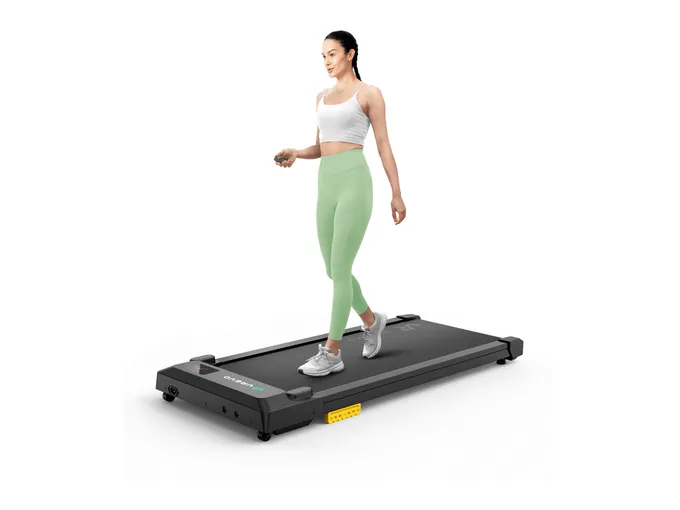
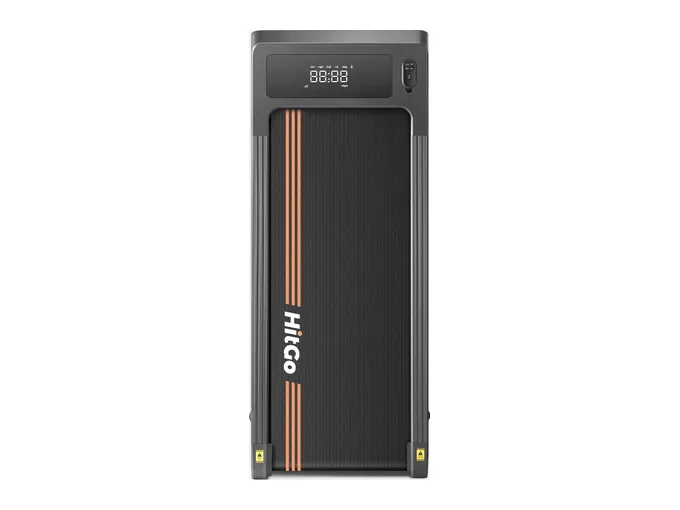
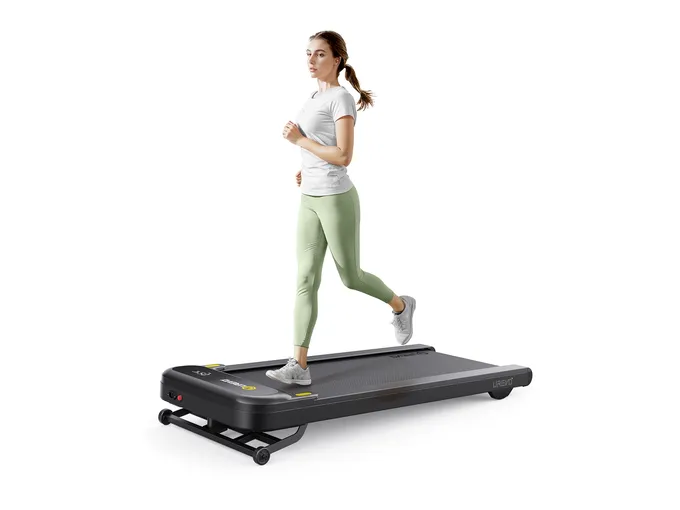
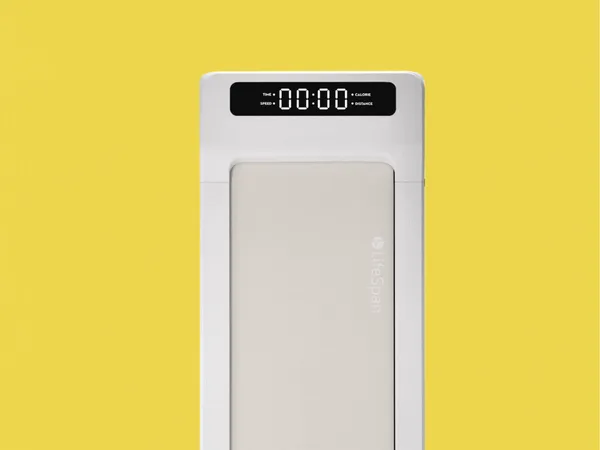
Walking pad: safety key or auto-stop
CPSC advises removing and storing the safety key when a treadmill is not in use, especially around children and pets.21
Walking pad: smooth low-speed control
Treadmill desks are meant for walking at low speed while you work.9
Walking pad: deck length, weight rating and noise level
Compact decks are short, an undersized deck or motor can feel unstable and wear faster, and motor noise matters in shared spaces.
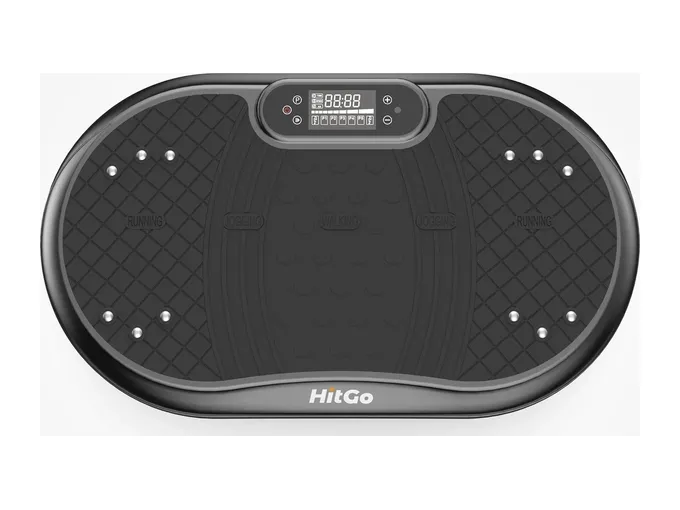
Vibration plate: published frequency (Hz) and amplitude or g-force
Measured devices ranged from 0.3 g to 15.1 g peak-to-peak, and the strongest exceeded ISO 2631 safety thresholds even for 1 minute a day.19
Vibration plate: be skeptical of bone-building claims
An overview of 15 systematic reviews found no significant bone-density advantage in postmenopausal women and advised against using vibration to improve bone density.13
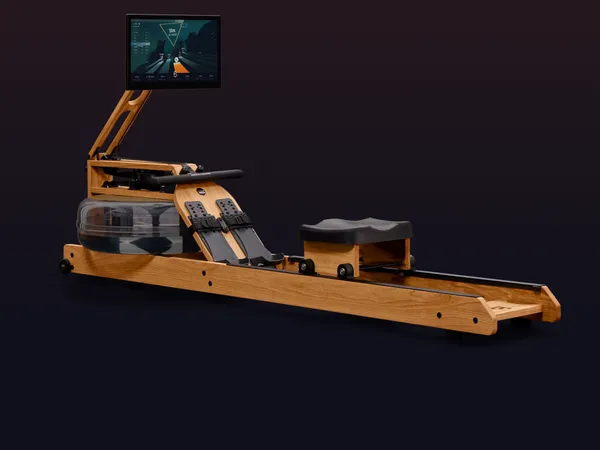
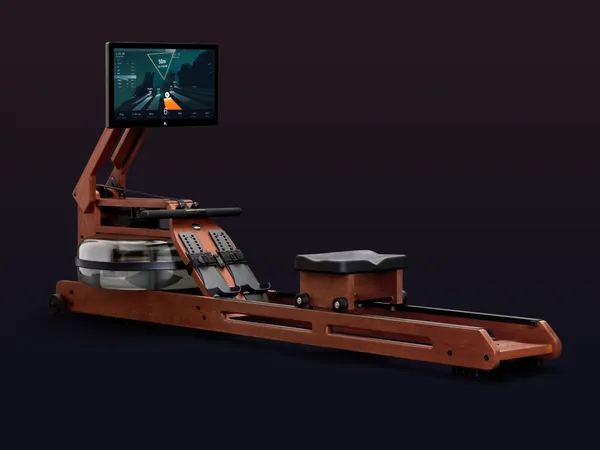
Rower: resistance type, footprint, seat height and a monitor showing pace or watts
Air, magnetic and water rowers differ in feel, noise and storage; a low seat can be hard to get on and off; a display helps track progress.
Placement: clear space behind treadmills and walking pads, away from children and pets
CPSC's Tread+ recall involved children, pets and objects being pulled under the rear of a treadmill.21
Compare prices
Walking pads, desks & movement: current prices
How we make money: some shop links are affiliate links, so ThriveRadar may earn a commission if you buy, at no extra cost to you. It never changes our evidence ratings. Prices are checked daily, not live; confirm the final price at the shop. Learn more.
Long daily sitting is linked with earlier death in very large observational studies, but mainly among people who get little exercise. In pooled data from more than a million adults, those doing about 60-75 minutes of moderate activity a day showed no extra risk from sitting more than 8 hours. These studies show an association, not proof that sitting itself causes harm.1
Will a standing desk make me healthier?
It will very likely cut your sitting, by roughly an hour or more per workday in trials. But a 2025 umbrella review found sit-stand desks do not increase physical activity, a 3-month trial in desk workers found no blood-pressure change, and a Cochrane review found no clear relief of back or neck pain. One 6-month trial in older adults with obesity did find systolic pressure about 3.5 mmHg lower.24567
Should I just stand all day instead?
The evidence does not support swapping all-day sitting for all-day standing. In UK Biobank data, standing more than 2 hours a day was associated with more orthostatic circulatory problems such as varicose veins, while standing was not linked to major cardiovascular disease; sitting more than 10 hours a day was linked to both.11
Do walking pads and treadmill desks work?
They add movement: walking and cycling desks raised calorie burn and lowered blood sugar and insulin compared with sitting in short studies. Long-term evidence is thin; one uncontrolled year-long study found average weight loss of 1.4 kg, and Cochrane found their effects on sitting time unclear or inconsistent.289
Can I actually work while walking?
Mostly, yes. Studies lasting 12-52 weeks found no significant effect on workplace productivity, although some single-session studies of treadmill and cycling desks found performance dips.10
How many steps a day should I aim for?
As context, a meta-analysis of 15 cohorts found mortality risk kept falling up to about 6,000-8,000 steps a day for adults 60 and older and 8,000-10,000 for younger adults. These are observational links, and walking-pad steps have not been studied separately.17
Do vibration plates strengthen bones?
The evidence is mixed and mostly disappointing. A 12-month randomized trial of 202 postmenopausal women found no bone benefit, and a 2024 overview of 15 systematic reviews concluded vibration should not be recommended for improving bone density in postmenopausal women. A meta-analysis did find fewer falls in older adults, but fracture data are sparse.121314
Are vibration plates safe?
A year-long trial of low-intensity platforms found them well tolerated, and reviews that tracked side effects reported no severe ones. But consumer devices vary widely in intensity, and the strongest measured exceeded international (ISO 2631) safety limits even for one minute a day; case reports also describe lens implants dislodging after use. If you have implants, eye problems or other health conditions, check the device's contraindications and ask your clinician first.12131920
Is a rowing machine a good buy?
Rowing is a whole-body aerobic workout, and WHO recommends adults get 150-300 minutes of moderate or 75-150 minutes of vigorous aerobic activity a week. In a 12-week trial in heart patients, supervised rowing-machine intervals improved fitness (peak oxygen uptake up 2.5 mL/kg/min). We found little research comparing rowers with other home cardio machines.1516
Are home treadmills dangerous?
They are a common cause of exercise-equipment injuries: an estimated 70,302 US emergency visits involved home exercise machines in 2007-2011, 66% of them treadmills, and older adults were more likely to be admitted. CPSC's 2021 Peloton Tread+ recall followed a child's death, and CPSC advises keeping children and pets away and removing the safety key when the machine is not in use.1821
Sources
References
CPSC recall 21-128 (May 5, 2021): about 125,000 Peloton Tread+ treadmills were recalled because adult users, children, pets and objects can be pulled under the rear of the treadmill; one child died and 72 incidents were reported, including 29 injuries to children. 21
On Jan 5, 2023, CPSC announced Peloton agreed to pay a $19,065,000 civil penalty for knowingly failing to immediately report the Tread+ entrapment hazard and for distributing recalled treadmills; by the time Peloton reported, there were more than 150 entrapment reports, including one child death and 13 injuries. 22
Does physical activity attenuate, or even eliminate, the detrimental association of sitting time with mortality? A harmonised meta-analysis of data from more than 1 million men and women. Lancet 2016.PubMed 27475271
Workplace interventions for reducing sitting at work. Cochrane Database Syst Rev 2018.PubMed 30556590
Effectiveness of the Stand More AT (SMArT) Work intervention: cluster randomised controlled trial. BMJ 2018.PubMed 30305278
Effects of workplace interventions on sedentary behaviour and physical activity: an umbrella review with meta-analyses and narrative synthesis. Lancet Public Health 2025.PubMed 40175011
Effects of Sedentary Behavior Reduction on Blood Pressure in Desk Workers: Results From the RESET-BP Randomized Clinical Trial. Circulation 2024.PubMed 39166323
Sitting Time Reduction and Blood Pressure in Older Adults: A Randomized Clinical Trial. JAMA Netw Open 2024.PubMed 38536177
Workplace interventions for increasing standing or walking for decreasing musculoskeletal symptoms in sedentary workers. Cochrane Database Syst Rev 2019.PubMed 31742666
Effects of cycle and treadmill desks on energy expenditure and cardiometabolic parameters in sedentary workers: review and meta-analysis. Int J Occup Saf Ergon 2021.PubMed 30595127
The Impact of Active Workstations on Workplace Productivity and Performance: A Systematic Review. Int J Environ Res Public Health 2018.PubMed 29495542
Device-measured stationary behaviour and cardiovascular and orthostatic circulatory disease incidence. Int J Epidemiol 2024.PubMed 39412356
Effect of 12 months of whole-body vibration therapy on bone density and structure in postmenopausal women: a randomized trial. Ann Intern Med 2011.PubMed 22084333
Effects of whole-body vibration on bone mineral density in postmenopausal women: an overview of systematic reviews. BMC Womens Health 2024.PubMed 39107743
Effect of whole-body vibration exercise in preventing falls and fractures: a systematic review and meta-analysis. BMJ Open 2017.PubMed 29289937
Feasibility and impact of whole-body high-intensity interval training in patients with stable coronary artery disease: a randomised controlled trial. Sci Rep 2022.PubMed 36241898
World Health Organization 2020 guidelines on physical activity and sedentary behaviour. Br J Sports Med 2020.PubMed 33239350
Daily steps and all-cause mortality: a meta-analysis of 15 international cohorts. Lancet Public Health 2022.PubMed 35247352
Emergency department-reported injuries associated with mechanical home exercise equipment in the USA. Inj Prev 2014.PubMed 24061163
Safety and severity of accelerations delivered from whole body vibration exercise devices to standing adults. J Sci Med Sport 2013.PubMed 23453990
CPSC recall 21-128 (May 5, 2021): about 125,000 Peloton Tread+ treadmills were recalled because adult users, children, pets and objects can be pulled under the rear of the treadmill; one child died and 72 incidents were reported, including 29 injuries to children. cpsc.gov
On Jan 5, 2023, CPSC announced Peloton agreed to pay a $19,065,000 civil penalty for knowingly failing to immediately report the Tread+ entrapment hazard and for distributing recalled treadmills; by the time Peloton reported, there were more than 150 entrapment reports, including one child death and 13 injuries. cpsc.gov
The ThriveRadar Weekly
New research, recalls and price drops, once a week.
Plain-English summaries of new studies on heat, cold, light, sleep and more, plus notable price changes from the shops we track. No hype. Unsubscribe anytime.