Traditional saunas, infrared cabins and sauna blankets, and what the research actually shows about each.
Overall evidence: Moderate24 products · 31 key studiesReviewed October 7, 2026Researched with AI assistance · Not reviewed by a clinician · Our method
The verdict
What we know about saunas & heat therapy
Regular sauna bathing has some of the most interesting long-term data in the wellness world, mostly from large studies of Finnish men using traditional hot-rock saunas. Infrared cabins and sauna blankets are much less studied. This guide separates what is known from what is marketing, covers who should be careful, and compares current prices from the brands we track.
Bottom line · Moderate
In long-running Finnish studies, people who used traditional saunas most often (4–7 times a week) had markedly fewer fatal heart events, strokes and dementia diagnoses, but these are associations from essentially one research cohort, not proof that the sauna caused the difference. Trials confirm real short-term effects such as a temporary drop in blood pressure, while lasting changes in heart-health markers are less certain. Infrared saunas have much thinner evidence (mostly small heart-failure studies), and sauna blankets have almost none.
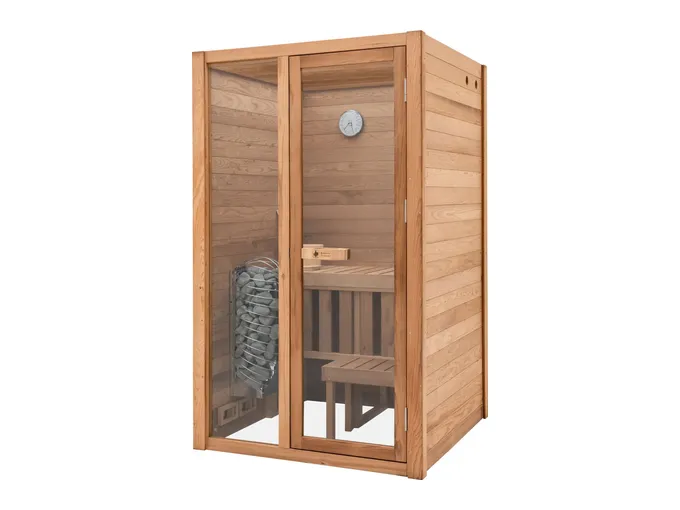
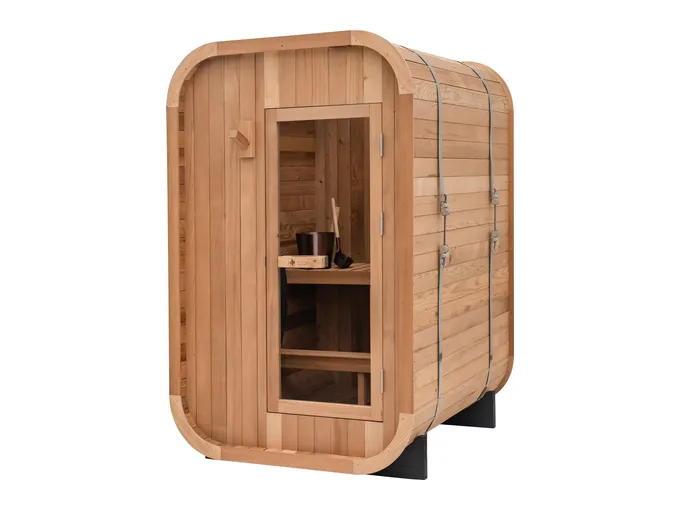
Traditional (Finnish) saunaModerate
The best-studied form of heat. Finnish cohorts followed for 15–25 years link frequent use with lower cardiovascular death, stroke, high blood pressure and dementia, and a single session measurably lowers blood pressure and arterial stiffness for a short time. A 2025 review of randomized trials, however, found little lasting change in most heart-health markers, so cause and effect remain unproven.
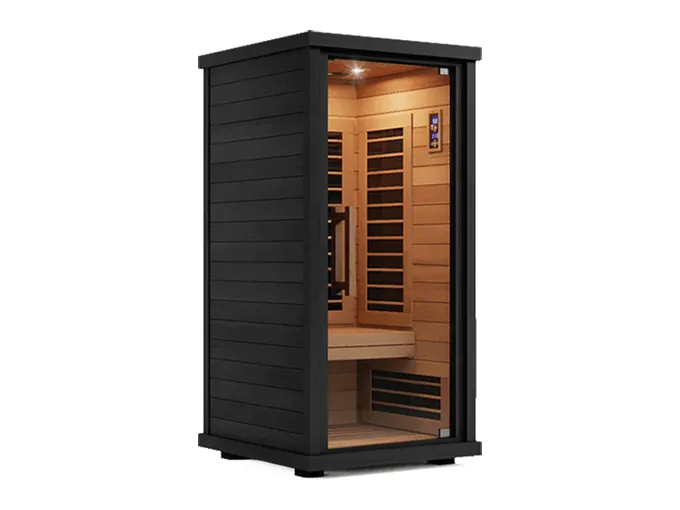
Infrared saunaEarly
Mostly studied as 'Waon' therapy (a 60 °C far-infrared sauna followed by resting under a blanket) in heart-failure patients, where small trials report better symptoms, walking distance and heart size on X-ray. There are no long-term outcome studies comparable to the Finnish data, and a small trial in healthy women found it raised body temperature without measurable changes in blood pressure or arterial stiffness.
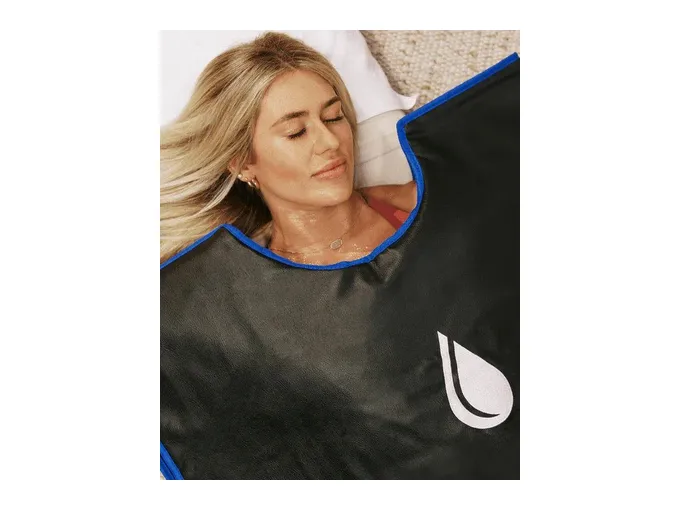
Sauna blankets and portable infrared unitsWeak
We found no published trials of consumer sauna blankets. The nearest evidence is a hospital trial of an infrared thermal blanket in heart-failure patients and a lab study that used a portable infrared sauna to dehydrate volunteers on purpose. Several sauna blankets were recalled in 2025–2026 for overheating and burns.
Mood and depression (whole-body hyperthermia)Early
A small sham-controlled trial found one medically supervised whole-body heating session lowered depression scores for six weeks, and a small trial of far-infrared sauna eased complaints in mildly depressed inpatients. A 2025 trial that paired heat with talk therapy found a sham session worked about as well, so the specific effect of heat is unsettled.
Heat acclimation for exerciseModerate
Repeated exercise in hot conditions (heat acclimation) improves endurance performance, especially in the heat, across a meta-analysis of 35 studies. This is the established form of heat training for athletes.
Post-workout sauna for performanceEarly
A tiny 2007 study in six runners reported large gains after three weeks of post-run sauna, but a 2025 meta-analysis of 10 studies found trivial, imprecise effects on performance, with low to very low certainty.
Evidence
What the research shows
Moderate
People who reported using a traditional sauna 4–7 times a week had much lower rates of fatal heart disease and sudden cardiac death than once-a-week users over 15–20 years of follow-up.12Observational data from one eastern-Finland cohort analyzed by one research group; frequent users may differ in health, income or activity despite statistical adjustment.
Early
Frequent sauna use is associated with lower risk of stroke, high blood pressure and dementia.345Each result comes from the same cohort, with relatively few events in the most frequent group; no trial has tested these outcomes.
Moderate
A single sauna session temporarily lowers blood pressure and arterial stiffness.67The largest single study had no control group, and the effect fades; it does not show lasting blood-pressure control.
Early
Adding a 15-minute sauna after workouts lowered systolic blood pressure more than exercise alone over 8 weeks.8One small (47-person), unblinded trial; needs replication.
Weak
Regular passive heating (sauna, hot baths) improves cholesterol, blood sugar, arterial function and other cardiometabolic markers.9A 2025 meta-analysis of 20 randomized trials found no significant pooled effect on most of these markers; only whole-body heating showed a modest systolic blood-pressure drop.
Early
Most clinical studies of regular sauna use report benefits, but they are generally small.10Of 40 studies in a 2018 systematic review, only 13 were randomized and most had fewer than 40 participants.
Early
Infrared 'Waon' sauna therapy improves symptoms and exercise capacity in heart failure.111213Small, hospital-supervised studies; the largest randomized trial missed its primary endpoint (change in BNP), and the 5-year outcome study was not randomized.
Early
Infrared saunas raise body temperature but do not reproduce exercise's cardiovascular effects.14One crossover trial in 10 healthy women, single sessions only.
Early
One session of medically supervised whole-body hyperthermia can reduce depression symptoms for weeks.151617Trials had about 30 people or fewer; in a 2025 trial the sham session did about as well alongside therapy; home saunas were not tested.
Moderate
Exercising in the heat for days to weeks improves endurance performance, especially in hot conditions.18Small studies with mixed protocols; this is training in the heat, not sitting in a sauna.
Weak
Using a sauna after training improves endurance performance.1920One six-person study was strongly positive, but pooled evidence from 10 studies shows trivial, uncertain effects.
Early
Regular sauna use temporarily lowers sperm count and motility.21One study of 10 men without a control group; all changes reversed within 6 months of stopping.
Moderate
Raised core body temperature in early pregnancy is linked to about double the odds of neural tube defects.22Observational and not specific to saunas (any cause of hyperthermia); Finnish reviews of habitual bathers did not report harm, but avoiding overheating in pregnancy is the cautious approach.
Moderate
Most sauna deaths involve alcohol, and many involve bathing alone.2324Death investigations from Finland and Sweden show patterns, not risk per session; sauna deaths are rare overall (fewer than 2 per 100,000 people per year in Finland).
No good evidence
Sauna blankets and portable infrared units deliver the benefits seen with traditional saunas.2526No trials of consumer sauna blankets were found; the listed studies are the nearest evidence (a hospital heart-failure trial of an infrared blanket and a deliberate-dehydration study), not tests of wellness benefits.
Key studies
The studies behind the ratings
Summaries are our own, from each study's published abstract. Follow the links for the full details.
Association between sauna bathing and fatal cardiovascular and all-cause mortality events
Who:
2,315 men aged 42–60 from eastern Finland, examined 1984–1989; median follow-up 20.7 years
What:
Self-reported traditional sauna frequency (1, 2–3 or 4–7 sessions a week) and session length at baseline
Found:
Compared with once-weekly users, men reporting 4–7 sessions a week had a lower adjusted risk of sudden cardiac death (HR 0.37, 95% CI 0.18–0.75), with similar inverse trends for fatal coronary disease, fatal cardiovascular disease and all-cause death (P for trend ≤ .005). Sessions over 19 minutes were linked to lower sudden-cardiac-death risk than sessions under 11 minutes (HR 0.48, 95% CI 0.31–0.75).
Limits:
Observational; habits measured once; men only; only 201 men in the 4–7 times a week group; residual confounding possible.
After adjusting for risk factors, physical activity and socioeconomic status, 4–7 sessions a week vs one: HR 0.23 (95% CI 0.08–0.65) for cardiovascular death; 2–3 sessions: HR 0.75 (0.52–1.08), not significant. Adding sauna frequency slightly improved risk prediction.
Limits:
Observational; wide confidence interval in the most frequent group; one Finnish population with a strong sauna culture.
Sauna bathing is inversely associated with dementia and Alzheimer's disease in middle-aged Finnish men
Who:
2,315 apparently healthy men aged 42–60; median follow-up 20.7 years; 204 dementia and 123 Alzheimer's disease cases
What:
Self-reported sauna frequency
Found:
Versus once a week, 4–7 sessions a week: HR 0.34 (95% CI 0.16–0.71) for dementia and 0.35 (0.14–0.90) for Alzheimer's disease; 2–3 sessions a week was not significant.
Limits:
Observational; men only; few cases in the high-frequency group; reverse causation and confounding possible.
Sauna bathing reduces the risk of stroke in Finnish men and women: A prospective cohort study
Who:
1,628 men and women aged 53–74 without prior stroke; median follow-up 14.9 years; 155 strokes
What:
Self-reported sauna frequency (1, 2–3 or 4–7 sessions a week)
Found:
4–7 sessions a week vs one: HR 0.39 (95% CI 0.18–0.83) adjusted for age and sex, and 0.38 (0.18–0.81) after further adjustment including physical activity and socioeconomic status.
Limits:
Observational; few events in the frequent-use group; too few hemorrhagic strokes (34) to assess that type well.
Sauna Bathing and Incident Hypertension: A Prospective Cohort Study
Who:
1,621 men aged 42–60 without hypertension at baseline; median follow-up 24.7 years; 251 new cases
What:
Self-reported sauna frequency
Found:
4–7 sessions a week vs one: HR 0.54 (95% CI 0.32–0.91) for developing hypertension; 0.53 (0.28–0.98) after further adjustment including fitness and socioeconomic status.
Limits:
Observational; men only; hypertension partly defined from diagnoses and medication use.
Single-group experimental study (before and after, no control group) · 2018
Acute effects of sauna bathing on cardiovascular function
Who:
102 adults (mean age 51.9; 56% men) with at least one cardiovascular risk factor
What:
One 30-minute sauna session at 73 °C and 10–20% humidity
Found:
Carotid-femoral pulse wave velocity fell from 9.8 to 8.6 m/s; systolic blood pressure fell from 137 to 130 mmHg and diastolic from 82 to 75 mmHg right after the session; systolic pressure was still lower after 30 minutes of recovery.
Acute and short-term efficacy of sauna treatment on cardiovascular function: A meta-analysis
Who:
Participants in sauna studies, including people with heart failure
What:
Sauna sessions, assessed acutely (0–30 minutes after) and short-term (after 2–4 weeks of treatment)
Found:
Acutely, body temperature rose 0.94 °C and heart rate 17.86 beats/min while systolic and diastolic pressure fell 5.55 and 6.50 mmHg. After 2–4 weeks, ejection fraction rose 3.27% and 6-minute walk distance 48.11 m, with larger ejection-fraction gains in people with weaker hearts.
Randomized controlled trial, three arms, 8 weeks · 2022
Effects of regular sauna bathing in conjunction with exercise on cardiovascular function: a multi-arm, randomized controlled trial
Who:
47 physically inactive adults (mean age 49) with at least one cardiovascular risk factor
What:
Guideline-based exercise followed by a 15-minute sauna, vs the same exercise alone, vs control
Found:
Compared with exercise alone, exercise plus sauna produced a further fall in systolic blood pressure (−8.0 mmHg, 95% CI −14.6 to −1.4), a larger fitness gain (+2.7 mL/kg/min) and lower total cholesterol.
Limits:
Small, short and unblinded; sauna was not tested on its own.
Systematic review and meta-analysis of 20 randomized controlled trials · 2025
Non-acute effects of passive heating interventions on cardiometabolic risk and vascular health: systematic review and meta-analysis of randomized controlled trials
Who:
Adults in trials lasting 2–15 weeks
What:
Passive heating of at least one week: hot-water bathing, sauna, hot yoga or local heating
Found:
No significant pooled effect on most outcomes, including flow-mediated dilation, pulse wave velocity, resting heart rate, heart-rate variability, fasting glucose, HbA1c, cholesterol, triglycerides and CRP. The overall systolic change (−2.46 mmHg) was not significant; whole-body heating showed −4.11 mmHg (95% CI −7.36 to −0.86).
Limits:
High heterogeneity; mixed heating methods; short trials; subgroup results are exploratory.
Clinical Effects of Regular Dry Sauna Bathing: A Systematic Review
Who:
3,855 participants in studies published from 2000 onward
What:
Repeated dry sauna sessions
Found:
Most studies reported health benefits, but only 13 were randomized and most had fewer than 40 participants. The only adverse outcome reported was a reversible drop in sperm production in one small study.
Limits:
Heterogeneous outcomes; side effects rarely tracked systematically.
Waon Therapy for Managing Chronic Heart Failure - Results From a Multicenter Prospective Randomized WAON-CHF Study
Who:
149 hospitalized patients with advanced heart failure (76 Waon, 73 control; mean age 66; BNP above 300 pg/ml despite more than a week of treatment)
What:
Far-infrared dry sauna at 60 °C for 15 minutes followed by 30 minutes of bed rest under a blanket, once daily for 10 days, on top of usual care
Found:
Compared with controls, NYHA class, 6-minute walk distance and cardiothoracic ratio improved significantly with Waon therapy, but the BNP change (the primary endpoint) did not reach statistical significance. No serious adverse events in either group.
Limits:
Primary endpoint not met; 10-day hospital protocol; not blinded.
Non-randomized controlled study with matched controls; 5-year follow-up · 2009
Waon therapy improves the prognosis of patients with chronic heart failure
Who:
129 patients with NYHA class III–IV chronic heart failure admitted to one hospital (64 Waon, 65 matched controls)
What:
Far-infrared dry sauna at 60 °C for 15 minutes plus 30 minutes of bed rest under a blanket, daily for 5 days in hospital and at least twice weekly after discharge
Found:
At 60 months, heart-failure events or cardiac death occurred in 31.3% of the Waon group vs 68.7% of controls (P < 0.01); 8 vs 12 patients died.
Systematic review (9 studies) and meta-analysis (7 studies) · 2018
Effects of sauna bath on heart failure: A systematic review and meta-analysis
Who:
Heart-failure patients in randomized and non-randomized controlled studies
What:
Infrared sauna at 60 °C for 15 minutes plus 30 minutes of rest in a warm environment, five times a week for 2–4 weeks; no Finnish-sauna studies qualified
Found:
Associated with lower BNP and cardiothoracic ratio and better left-ventricular ejection fraction; no significant change in blood pressure or several heart-size measures. Strength of evidence ranged from moderate to insufficient.
Infrared sauna as exercise-mimetic? Physiological responses to infrared sauna vs exercise in healthy women: A randomized controlled crossover trial
Who:
10 healthy women (mean age 36) in Brisbane, Australia
What:
45 minutes of rest, infrared sauna or indoor cycling on separate occasions
Found:
Infrared sauna raised tympanic (ear) temperature by about 1.05 °C more than rest and 0.79 °C more than cycling; there were no significant differences between conditions in blood pressure, arterial stiffness or heart-rate variability.
Whole-Body Hyperthermia for the Treatment of Major Depressive Disorder: A Randomized Clinical Trial
Who:
Medically healthy adults aged 18–65 with major depressive disorder, not taking psychiatric medication; 34 randomized, 29 analyzed
What:
One session of active whole-body hyperthermia vs a sham session of equal length without intense heat
Found:
Depression scores (Hamilton scale) were lower with active heating than sham at every follow-up: −6.53 points at week 1 (95% CI −9.90 to −3.16) and −4.27 at week 6 (95% CI −7.94 to −0.61). Side effects were generally mild.
Limits:
Very small; single session; medical hyperthermia equipment, not a home sauna.
A Randomized Trial Testing a Novel Mind and Body Intervention for Depression: Cognitive Behavioral Therapy (CBT) and Whole-Body Hyperthermia (WBH)
Who:
30 adults with major depressive disorder receiving cognitive behavioral therapy (CBT)
What:
CBT plus whole-body hyperthermia using an infrared sauna device vs CBT plus a sham session that did not substantially raise core temperature
Found:
Both groups improved markedly (BDI-II −19.07 with heating vs −21.10 with sham). The trial measured acceptability and was not built to detect a difference; the sham was not fully convincing to participants.
Limits:
Pilot; small; sham may have had effects of its own.
Meta-analysis and meta-regression of 35 studies · 2019
Performance Changes Following Heat Acclimation and the Factors That Influence These Changes: Meta-Analysis and Meta-Regression
Who:
Exercisers in heat-acclimation studies (for example, 232 participants in time-to-exhaustion analyses)
What:
Heat acclimation: repeated exercise in hot conditions
Found:
Performance improved after acclimation: time to exhaustion effect size 0.86 (95% CI 0.71–1.01), time trial 0.49, mean power 0.37, VO2max 0.30 and peak power 0.29.
Limits:
Small studies; varied protocols; exercise-in-heat rather than sauna exposure.
Systematic review and meta-analysis of 10 studies · 2025
The effect of post-exercise heat exposure (passive heat acclimation) on endurance exercise performance: a systematic review and meta-analysis
Who:
199 healthy adults aged 20–32 (156 men, 43 women)
What:
Exercise training followed by sauna or hot-water immersion vs the same training without heat
Found:
The effect on performance in hot conditions was trivial and imprecise (ratio of means 1.04, 95% CI 0.94–1.15); effects on VO2max, heart rate, core temperature and sweat rate were small. Certainty was low to very low.
Seminal and molecular evidence that sauna exposure affects human spermatogenesis
Who:
10 healthy men with normal semen
What:
Finnish sauna at 80–90 °C for 15 minutes, twice a week for 3 months
Found:
Sperm count and motility dropped sharply by the end of 3 months, with changes in sperm DNA packaging and mitochondrial function; all changes had reversed 6 months after stopping. Sex hormones did not change.
Limits:
Tiny sample; no control group; men with normal semen only.
Deaths that occurred in saunas in Finland, 1990–2002
What:
Police, autopsy, death-certificate and toxicology records
Found:
Fewer than 2 sauna deaths per 100,000 inhabitants per year; about half were natural deaths, heat exposure was the cause in 25%, and 50% of those who died were under the influence of alcohol.
Limits:
Counts deaths only; cannot estimate risk per sauna session.
77 sauna-related deaths in Sweden, 1992–2003 (82% men)
What:
Medicolegal autopsy records
Found:
Of 69 people tested, 49 (71%) had alcohol in their blood; 34 deaths (44%) were alcohol-related and 18 (23%) cardiovascular; all but 2 of those found dead in a sauna were alone.
Sauna is well tolerated by most healthy adults and children; unstable angina, recent heart attack and severe aortic stenosis are contraindications; alcohol during sauna raises the risk of low blood pressure, arrhythmia and sudden death.
Limits:
Non-systematic review from 2001; its statement that sauna does not affect fertility predates later sperm studies.
Mostly uncontrolled studies of people used to sauna since childhood
What:
Sauna at 80–90 °C for 5–20 minutes, repeated one to three times
Found:
Sauna was well tolerated in healthy people of all ages and in medicated, stable heart patients; no adverse pregnancy effects were found apart from toxemia cases; blood-pressure medicines may predispose to a blood-pressure drop on standing after bathing.
Limits:
Relies largely on uncontrolled studies in habitual Finnish bathers.
10 minutes of heat in a climate chamber matching ordinary Finnish sauna conditions
Found:
Heart rate and body temperature rose in everyone; in children under 10, blood pressure fell right after the exposure, and two vasovagal collapses (fainting episodes) occurred; in children under 5, stroke volume fell 32.9%.
Heat exposure and drugs. A review of the effects of hyperthermia on pharmacokinetics
Who:
Human studies of heat exposure and drug handling
What:
External heating, including saunas and steam baths
Found:
Effects on the oral drugs studied were minor, but heating usually increased absorption of drugs given through the skin or under it (insulin, nitroglycerin, nicotine), raising blood levels.
Skip alcohol before and during heat sessions. About half of people who died in Finnish saunas (1990–2002) had been drinking, 71% of tested Swedish sauna deaths had alcohol in their blood, and alcohol in the heat raises the risk of low blood pressure, arrhythmia and sudden death.232427
Don't use a sauna alone, especially after drinking, when unwell or if older; in a Swedish series, nearly everyone found dead in a sauna was alone.24
Unstable angina, a recent heart attack or severe aortic stenosis are listed reasons to avoid saunas. People with stable heart disease or heart failure should get their cardiologist's advice first; heart-failure studies used supervised, lower-temperature (60 °C) infrared protocols.112728
Blood pressure drops during and after a session, so stand up slowly; blood-pressure medicines may make light-headedness or fainting on standing more likely after bathing.628
Heat removes fluid quickly: a portable infrared sauna was used in research to cause more than 2% body-weight loss within a few hours. Drink water and stop if you feel dizzy, sick or confused.26
Pregnancy: raised core temperature in early pregnancy is associated with neural tube defects (pooled odds ratio 1.92), and CPSC has long warned that soaking in water above 102 °F may cause fetal damage in the first three months. Talk to your clinician before using a sauna, hot tub or sauna blanket while pregnant.2232
Men trying to conceive: twice-weekly sauna for three months sharply reduced sperm count and motility in a small study; values recovered within six months of stopping.21
Children: in a lab study simulating a Finnish sauna, children under 10 had blood-pressure drops right afterward, two fainting episodes occurred, and under-5s had a large fall in stroke volume. The researchers advised careful supervision, especially of small children.29
Medicines: heat can boost absorption from skin patches and under-the-skin injections (for example nicotine, nitroglycerin and insulin), and a fatal fentanyl overdose has been reported in a sauna user wearing a fentanyl patch. Ask a pharmacist before heat sessions if you use patches or insulin.3031
Home heat products have been recalled for overheating, burn and fire hazards, including about 78,000 Lifepro Bioremedy sauna blankets (32 burn-injury reports) and about 41,580 infrared saunas and kits from the Sauna360 group. Check cpsc.gov for your exact model.333435
This is general information, not medical advice. If you have a heart condition, are pregnant, take medication or have any health concern, ask a clinician first.
Buying guide
Specs that actually matter
Heat type and temperature range
The long-term heart findings come from traditional saunas; the studies here used air at roughly 73–90 °C, while infrared 'Waon' protocols ran at about 60 °C. An infrared cabin is a different exposure with its own, thinner evidence, not a cheaper route to the Finnish results.
Electrical safety listing and recall check
Overheating defects have triggered recalls of infrared saunas, heater kits and sauna blankets. Look for a listing from a recognized testing laboratory (such as UL, ETL or CSA) and search cpsc.gov for the exact model before buying.36
Timer, auto shut-off and high-temperature cutoff
Reliable controls limit accidental overheating and over-long sessions, which matter most when someone is drowsy or has been drinking—a common factor in sauna deaths.
'FDA registered' or 'FDA cleared' claims
Registration is a listing, not an approval, and infrared therapeutic heating lamps are 510(k)-exempt. If a seller claims clearance, ask for the 510(k) number and what use it covers.37
Low-EMF claims (infrared cabins)
Many infrared saunas advertise 'low EMF.' None of the health studies reviewed here measured EMF from heaters or linked it to outcomes, so treat it as a marketing point rather than a proven health factor.
Sauna blankets: controls, materials and recall history
Blankets sit directly on the skin, and overheating and burns have driven recalls. Favor clear temperature settings, auto shut-off and no recall history, and remember the weight you sweat off is water, not fat.38
Power and installation
Many traditional sauna heaters need a dedicated 240-volt circuit and proper ventilation, so budget for an electrician.
Compare prices
Saunas & heat therapy: current prices
How we make money: some shop links are affiliate links, so ThriveRadar may earn a commission if you buy, at no extra cost to you. It never changes our evidence ratings. Prices are checked daily, not live; confirm the final price at the shop. Learn more.
Long-form interviews and explainers from researchers and clinicians. Their views are their own; check claims against the studies above.
The Science & Health Benefits of Deliberate Heat Exposure
Andrew Huberman
Huberman explains how deliberate heat (sauna, hot baths) affects body temperature, cardiovascular health, hormones, mood and recovery, and lays out protocols for temperature, duration, timing and frequency.
Dr. Jari Laukkanen on Sauna Use for the Prevention of Cardiovascular & Alzheimer’s Disease
FoundMyFitness
Finnish cardiologist Jari Laukkanen discusses his long-running cohort of middle-aged men in which more frequent sauna sessions tracked with lower cardiovascular and all-cause mortality and less dementia.
Sauna Benefits Deep Dive and Optimal Use with Dr. Rhonda Patrick & MedCram
MedCram - Medical Lectures Explained CLEARLY
MedCram interviews Rhonda Patrick on infrared versus traditional saunas, the evidence on heart disease, dementia, depression and mortality, and practical guidance on duration, frequency and temperature.
How Sauna Use Can Impact Brain Health and Longevity | Rhonda Patrick, Ph.D.
Peter Attia MD
Clip from The Drive #369 in which Rhonda Patrick summarizes evidence linking sauna use to lower cardiovascular and dementia risk, and larger VO2 max gains when sauna is paired with endurance training.
Dr. Rhonda Patrick: Maximizing Healthspan with Exercise, Sauna, & Cold Exposure
FoundMyFitness
Recorded presentation in which Rhonda Patrick reviews the evidence for vigorous exercise, sauna and cold exposure as healthspan tools and gives protocol-level guidance for each.
How to Use Cold & Heat Exposure to Improve Your Health | Dr. Susanna Søberg
Andrew Huberman
Copenhagen-trained researcher Susanna Søberg discusses how cold and heat exposure influence metabolism, brown fat, insulin sensitivity and neurotransmitters, and how to structure combined protocols.
Rhonda Patrick explains how passive heating (sauna, hot baths) and vigorous exercise may deepen slow-wave sleep, including the roles of thermoregulation and immune signalling molecules.
Rhonda Patrick and Peter Attia cover protein needs and creatine, then review the evidence linking regular sauna use to cardiovascular, brain and fitness benefits.
Audio of a talk on clinical and mechanistic evidence that sauna bathing mimics some effects of exercise, including Finnish sauna versus Waon infrared therapy, heat shock proteins and inflammation.
A three-hour conversation with cold-exposure researcher Susanna Søberg on the safety and evidence behind ice baths and winter swimming, brown fat, and combining heat with cold.
Mayo Clinic sports medicine specialist Amy Beacom discusses the benefits and safety of alternating sauna and cold-water exposure, including at-home sauna tents and ice baths.
Latest research
New studies and news
Collected automatically from PubMed, safety recalls and science news. Not yet reviewed by us; inclusion is not an endorsement.
Is an infrared sauna as good as a traditional one?
Nobody knows yet. The long-term findings on heart health and survival come from traditional Finnish saunas at higher air temperatures, while infrared research is mostly small, short studies, especially Waon therapy in heart-failure patients. Infrared may feel gentler, but the Finnish results can't be assumed to carry over.11214
How often did people in the big sauna studies go?
In the Finnish cohort, the lowest risks were seen in people who reported 4–7 sessions a week compared with once a week, and sessions longer than 19 minutes were linked to lower sudden-cardiac-death risk than sessions under 11 minutes. These are patterns among people who chose those habits, not a tested prescription.12
Can a sauna lower my blood pressure?
A single session lowers it temporarily; in one study average systolic pressure fell from 137 to 130 mmHg right after 30 minutes at 73 °C. Lasting effects are less clear: a 2025 review of 20 randomized trials found no significant overall drop, with a modest reduction only for whole-body heating. A sauna is not a substitute for prescribed treatment.69
Does heat therapy help depression?
It's promising but unproven. One supervised whole-body hyperthermia session beat a sham treatment for six weeks in a 29-person trial, but a 2025 trial found a sham did about as well alongside talk therapy. Home saunas haven't been tested as a depression treatment, so they shouldn't replace care from a clinician.1516
Do sauna blankets work?
There's almost no direct research on consumer sauna blankets. They do make you sweat, but that weight loss is water that returns when you rehydrate. Several blankets have been recalled for overheating and burns, so check cpsc.gov for your model.2633
Is it safe to use a sauna while pregnant?
Finnish reviews of women used to saunas did not report clear harm, but raised core temperature in early pregnancy is linked to roughly double the odds of neural tube defects across many studies. The cautious approach is to avoid overheating and talk with your clinician before using saunas, hot tubs or sauna blankets.2228
Will saunas affect male fertility?
They can, temporarily. In a small study, men who used a sauna twice a week for three months had large drops in sperm count and motility that recovered within six months of stopping. Men trying to conceive may want to discuss pausing regular sauna use with their doctor.21
Can I use a sauna with heart disease?
Reviews list unstable angina, a recent heart attack and severe aortic stenosis as reasons to avoid saunas. Heart-failure studies used supervised, lower-temperature infrared sessions followed by rest, not ordinary sauna bathing, so get your cardiologist's go-ahead first.1127
Sources
References
FDA classifies an infrared lamp intended for medical topical heating (approximately 700–50,000 nm) as a Class II device under 21 CFR 890.5500, and infrared therapeutic heating lamps are exempt from 510(k) premarket notification, subject to limitations. FDA wording on an infrared heater therefore doesn't by itself mean FDA reviewed that product's health claims. 39
Under 21 CFR 807.39, registering a device establishment or holding a registration number does not denote FDA approval, and implying otherwise is misbranding. 'FDA registered' is not 'FDA approved' or 'FDA cleared.' 40
FDA's General Wellness guidance (issued January 6, 2026) says CDRH does not intend to examine low-risk products that make only general wellness claims, such as relaxation or stress management, and that coverage under the policy does not establish a product is safe or effective. 41
CPSC recall 26-036 (October 23, 2025): about 78,000 Lifepro Fitness Bioremedy Infrared Sauna Blankets can overheat; 65 overheating reports including 32 burn injuries; remedy is a replacement. 33
CPSC recall 26-511 (May 28, 2026): about 3,600 Tzumi SLF Sauna Blankets (model 30065TAR) can overheat, posing fire and burn hazards; six overheating reports, five with minor furniture damage. 34
CPSC recall 26-784 (September 17, 2026): about 41,580 infrared and hybrid saunas and infrared kits (brands including Finnleo, Helo, Radiant Health, Sauna360, Saunatec, Tylo and Tylohelo), sold May 2013–July 2026; infrared panels can short-circuit and overheat; 67 reports of overheating, melting, charring or burning, no injuries; free in-home repair. 35
CPSC recall 26-349 (March 26, 2026): about 675 DIY Sauna Heater Kits sold by DIY Cold Plunge (a four-bulb heat-lamp fixture for homemade sauna enclosures); conductors can overheat, posing a fire hazard; 12 overheating reports, no fires or injuries; full refund. Despite the seller's name, this is a sauna-heater recall, not a cold-plunge recall. 42
CPSC's long-standing hot-tub warning (dated December 31, 1979) says water should never exceed 104 °F and that soaking above 102 °F can cause fetal damage in the first three months of pregnancy. 32
Association between sauna bathing and fatal cardiovascular and all-cause mortality events. JAMA Intern Med 2015.PubMed 25705824
Sauna bathing is associated with reduced cardiovascular mortality and improves risk prediction in men and women: a prospective cohort study. BMC Med 2018.PubMed 30486813
Sauna bathing reduces the risk of stroke in Finnish men and women: A prospective cohort study. Neurology 2018.PubMed 29720543
Sauna Bathing and Incident Hypertension: A Prospective Cohort Study. Am J Hypertens 2017.PubMed 28633297
Sauna bathing is inversely associated with dementia and Alzheimer's disease in middle-aged Finnish men. Age Ageing 2017.PubMed 27932366
Acute effects of sauna bathing on cardiovascular function. J Hum Hypertens 2018.PubMed 29269746
Acute and short-term efficacy of sauna treatment on cardiovascular function: A meta-analysis. Eur J Cardiovasc Nurs 2020.PubMed 32814462
Effects of regular sauna bathing in conjunction with exercise on cardiovascular function: a multi-arm, randomized controlled trial. Am J Physiol Regul Integr Comp Physiol 2022.PubMed 35785965
Non-acute effects of passive heating interventions on cardiometabolic risk and vascular health: systematic review and meta-analysis of randomized controlled trials. Am J Prev Cardiol 2025.PubMed 41049507
Clinical Effects of Regular Dry Sauna Bathing: A Systematic Review. Evid Based Complement Alternat Med 2018.PubMed 29849692
Waon Therapy for Managing Chronic Heart Failure - Results From a Multicenter Prospective Randomized WAON-CHF Study. Circ J 2016.PubMed 27001189
Effects of sauna bath on heart failure: A systematic review and meta-analysis. Clin Cardiol 2018.PubMed 30239008
Waon therapy improves the prognosis of patients with chronic heart failure. J Cardiol 2009.PubMed 19304125
Infrared sauna as exercise-mimetic? Physiological responses to infrared sauna vs exercise in healthy women: A randomized controlled crossover trial. Complement Ther Med 2022.PubMed 34954348
Whole-Body Hyperthermia for the Treatment of Major Depressive Disorder: A Randomized Clinical Trial. JAMA Psychiatry 2016.PubMed 27172277
A Randomized Trial Testing a Novel Mind and Body Intervention for Depression: Cognitive Behavioral Therapy (CBT) and Whole-Body Hyperthermia (WBH). Glob Adv Integr Med Health 2025.PubMed 41146956
Repeated thermal therapy diminishes appetite loss and subjective complaints in mildly depressed patients. Psychosom Med 2005.PubMed 16046381
Performance Changes Following Heat Acclimation and the Factors That Influence These Changes: Meta-Analysis and Meta-Regression. Front Physiol 2019.PubMed 31827444
The effect of post-exercise heat exposure (passive heat acclimation) on endurance exercise performance: a systematic review and meta-analysis. BMC Sports Sci Med Rehabil 2025.PubMed 39762944
Effect of post-exercise sauna bathing on the endurance performance of competitive male runners. J Sci Med Sport 2007.PubMed 16877041
Seminal and molecular evidence that sauna exposure affects human spermatogenesis. Hum Reprod 2013.PubMed 23411620
Maternal hyperthermia and the risk for neural tube defects in offspring: systematic review and meta-analysis. Epidemiology 2005.PubMed 15703536
Sauna deaths in Sweden, 1992-2003. Am J Forensic Med Pathol 2008.PubMed 19749613
Thermal vasodilation using a portable infrared thermal blanket in decompensated heart failure. Int Heart J 2014.PubMed 25070123
Reliability of achieving target dehydration levels using a portable infrared sauna protocol in healthy young adults. J Int Soc Sports Nutr 2025.PubMed 41320841
Benefits and risks of sauna bathing. Am J Med 2001.PubMed 11165553
Health effects and risks of sauna bathing. Int J Circumpolar Health 2006.PubMed 16871826
Children in sauna: cardiovascular adjustment. Pediatrics 1990.PubMed 2371104
Heat exposure and drugs. A review of the effects of hyperthermia on pharmacokinetics. Clin Pharmacokinet 1998.PubMed 9571303
Death in Sauna Associated With a Transdermal Fentanyl Patch. Am J Forensic Med Pathol 2020.PubMed 32740103
CPSC's long-standing hot-tub warning (dated December 31, 1979) says water should never exceed 104 °F and that soaking above 102 °F can cause fetal damage in the first three months of pregnancy. cpsc.gov
CPSC recall 26-036 (October 23, 2025): about 78,000 Lifepro Fitness Bioremedy Infrared Sauna Blankets can overheat; 65 overheating reports including 32 burn injuries; remedy is a replacement. cpsc.gov
CPSC recall 26-511 (May 28, 2026): about 3,600 Tzumi SLF Sauna Blankets (model 30065TAR) can overheat, posing fire and burn hazards; six overheating reports, five with minor furniture damage. cpsc.gov
CPSC recall 26-784 (September 17, 2026): about 41,580 infrared and hybrid saunas and infrared kits (brands including Finnleo, Helo, Radiant Health, Sauna360, Saunatec, Tylo and Tylohelo), sold May 2013–July 2026; infrared panels can short-circuit and overheat; 67 reports of overheating, melting, charring or burning, no injuries; free in-home repair. cpsc.gov
FDA classifies an infrared lamp intended for medical topical heating (approximately 700–50,000 nm) as a Class II device under 21 CFR 890.5500, and infrared therapeutic heating lamps are exempt from 510(k) premarket notification, subject to limitations. govinfo.gov
Under 21 CFR 807.39, registering a device establishment or holding a registration number does not denote FDA approval, and implying otherwise is misbranding. govinfo.gov
FDA's General Wellness guidance (issued January 6, 2026) says CDRH does not intend to examine low-risk products that make only general wellness claims, such as relaxation or stress management, and that coverage under the policy does not establish a product is safe or effective. fda.gov
CPSC recall 26-349 (March 26, 2026): about 675 DIY Sauna Heater Kits sold by DIY Cold Plunge (a four-bulb heat-lamp fixture for homemade sauna enclosures); conductors can overheat, posing a fire hazard; 12 overheating reports, no fires or injuries; full refund. cpsc.gov
The ThriveRadar Weekly
New research, recalls and price drops, once a week.
Plain-English summaries of new studies on heat, cold, light, sleep and more, plus notable price changes from the shops we track. No hype. Unsubscribe anytime.